






















New Epstein Documents Released, Featuring Prominent Figures
The U.S. Department of Justice has unveiled a large cache of documents related to Jeffrey Epstein, including photographs of individuals within his circle. This release comes just ahead of a legal deadline spurred by the recently passed Epstein Files Transparency Act, shedding light on the intricate web of relationships surrounding the disgraced financier.
Why It Matters
The release of these documents is significant as it provides insight into the high-profile connections Epstein maintained, which have long been subject to public speculation. The identities and implications surrounding these figures continue to raise questions about accountability and complicity in Epstein’s criminal activities, particularly as they relate to child sex trafficking.
Key Developments
- Release Details: Thousands of documents were made public shortly after 9 PM UK time, following the new legislation aimed at transparency regarding Epstein’s activities.
- Notable Figures: Images of Ghislaine Maxwell, Epstein’s former girlfriend currently imprisoned for child trafficking, have surfaced. Other notable individuals in the documents include former President Bill Clinton, Prince Andrew, and celebrities like Mick Jagger and Chris Tucker.
- Redactions and Sensitive Content: Many documents feature heavy redactions, including a ‘masseuse list’ with 254 entries blacked out, and grand jury documents completely obscured. Numerous images depicting women in compromising positions are also heavily censored.
- Victim Identification: The Deputy Attorney General Todd Blanche stated that over 1,200 victims and their families have been identified within the reviewed records, highlighting the extent of Epstein’s abuse.
- Statements from Clinton’s Camp: Bill Clinton has distanced himself from Epstein in his memoir, expressing regret over his past associations, while his former deputy chief of staff accused the White House of concealing information.
Full Report
Noteworthy Images and Claims
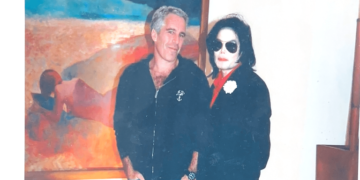
Various images released include Ghislaine Maxwell outside of 10 Downing Street and in other social settings, such as with Bill Clinton in a swimming pool and a hot tub. One painting shows Clinton depicted in a dress, while other images, including Epstein and prominent individuals like Michael Jackson, were part of the released files. Notably, none of the individuals shown in these images are implied to have committed any wrongdoing.
The release has triggered responses, particularly from Clinton’s former aides. Angel Urena stated that some individuals cut ties with Epstein before his criminal actions became public, while others maintained relationships with him afterward. This comment underscores the ongoing discourse about accountability among those who interacted with Epstein.
Redacted Documentation
The files contain a variety of documents such as flight logs, handwritten notes, and a scrapbook with captions indicating potential awareness of being watched. The nature and content of many images, particularly depicting women in various states of undress, remain concealed due to heavy editing.
Allegations and Criminal Activity
The documents also included allegations against Epstein dating back years, detailing accusations of theft related to inappropriate photographs, as well as threatening behavior toward a complainant. Additional files provided insights into Epstein’s preferences regarding the minors he interacted with, further emphasizing the predatory nature of his actions.
Context & Previous Events
Ghislaine Maxwell was convicted in 2021 for her role in Epstein’s sex trafficking operations. Prince Andrew has faced scrutiny over allegations related to Virginia Giuffre, who accused him of sexual assault when she was a minor, a claim he vehemently denies. Public interest in Epstein’s network of connections has surged since his 2019 arrest and subsequent death.
This release and the accompanying details continue to ignite discussions about transparency, accountability, and the implications for those connected to Jeffrey Epstein, raising critical questions about institutional oversight and the protection of potential victims.






