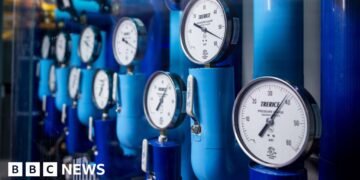























Revolutionizing Cooling Systems for Data Centres Amid Growing Energy Demands
Data centres are undergoing a technological overhaul as the demand for cooling solutions intensifies, driven by increasing energy consumption and concerns over environmental impact. Industry players are exploring innovative cooling methods to sustain high-speed operations while minimizing their ecological footprint.
Why It Matters
The rising adoption of artificial intelligence and other data-heavy technologies has led to a surge in energy demands from data centres. Without effective cooling systems, these facilities risk operational failures that could have far-reaching consequences across various sectors, including finance and tech. As communities push back against new constructions due to environmental concerns, the urgency for sustainable cooling technologies grows.
Key Developments
- Data centres rely on advanced cooling methods to prevent overheating and sustain high operational speeds.
- Innovations such as liquid cooling and sealed-loop systems can reduce energy consumption related to cooling by up to 80%.
- Public opposition to new data centres is increasing, influenced by environmental advocacy groups.
- Some companies are making strides to eliminate harmful chemicals like PFAS from their cooling technologies.
- Research continues into passive cooling systems that use heat-induced pumping mechanisms for efficiency.
Full Report
Cooling Systems in Crisis
Data centres operate continuously and generate significant heat, making cooling systems essential. Jonathan Ballon, CEO of Iceotope, explained that these systems utilize advanced techniques like fluid immersion and spraying to maintain optimal temperatures for computer chips. One notable example includes a U.S. hotel chain planning to utilize excess heat from its servers to warm guest rooms and amenities.
The Cost of Failure
In November 2022, a cooling system failure at CME Group’s data centre temporarily disrupted financial trading, underscoring the critical nature of robust cooling solutions. The incident prompted immediate enhancements to the centre’s cooling capacity to avert future issues.
Environmental Concerns
As demand for data centres soars, their energy and water consumption have become contentious issues. Over 200 environmental groups have called for a halt to new data centre constructions in the U.S. While many facilities are scrutinized for their heavy resource use, some companies, like Iceotope, emphasize their lower energy needs and silent operations.
Innovations in Cooling Technology
Iceotope’s liquid cooling systems prove to be groundbreaking, reportedly cutting cooling costs by up to 80%. These systems employ a water-based fluid that cools oil-based substances in a closed loop, mitigating the need for constant water withdrawal from local sources. However, some fluids still derive from fossil fuels, though they do not contain harmful PFAS chemicals.
Alternatives like two-phase cooling systems pose potential hazards due to the presence of refrigerants that can leak harmful gases. Transitioning to PFAS-free refrigerants is a priority for several firms as they strive for safer cooling methodologies.
Exploration of New Methods
Historically, companies have experimented with various cooling techniques, including Microsoft’s venture into underwater data centres. Although the project was ultimately deemed economically unfeasible, it highlighted opportunities for innovation in cooling efficiency.
Recent research from Renkun Chen at UC San Diego proposes a passive cooling system that leverages natural processes to draw heat away from chips, marking an exciting step forward in sustainability.
Context & Previous Events
In November 2022, a critical failure in a data centre’s cooling system led to significant operations disruptions at CME Group. The industry’s reliance on ample cooling systems has amplified in light of rising technological demands and has drawn increasing scrutiny from environmental groups calling for sustainable practices. Multiple companies are working to eliminate harmful refrigerants in their cooling processes to adapt to regulatory pressures and community concerns.