






















The Tragic Toll of Military Deployments: West Virginia Reacts to Recent Shootings
In West Virginia, the recent deaths of Army Specialist Sarah Beckstrom and Air Force Staff Sergeant Andrew Wolfe, both linked to a shooting incident in Washington, D.C., have reignited debates surrounding military deployments amid rising local tensions over crime. The tragedy underscores the harsh realities faced by small-town communities where military service often serves as both a patriotic choice and an economic necessity.
Why It Matters
This incident has broader implications, reflecting the unique interactions between national security, local economies, and community sentiments in a state heavily reliant on military service. As more questions arise over the legitimacy and safety of sending local Guard members to Washington, public opinion is markedly divided, revealing deeper concerns about policy decisions impacting the lives of servicemen and women.
Key Developments
- SSgt Andrew Wolfe and Army Specialist Sarah Beckstrom were shot while patrolling near the White House during a controversial National Guard deployment initiated by President Trump.
- Officials describe the assailant as an Afghan national who previously worked with U.S. forces, raising concerns among community members about immigration policies.
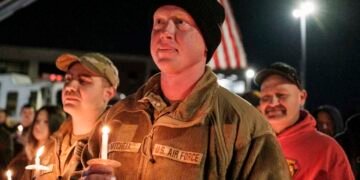
- Vigils held in their honor highlighted the close-knit nature of West Virginian communities and the economic motivations for military enlistment.
- Debate intensifies over the legality and rationale behind the National Guard’s deployment, with criticism growing among both state Democratic lawmakers and concerned constituents.
Full Report
Community Response and Remembrance
On December 3, 2025, local residents mourned at a candlelight vigil for SSgt Wolfe outside the Berkeley County Sheriff’s Office, a gathering that reflected the community’s grief. Many expressed disbelief over the targeted nature of the attack that claimed Wolfe’s status as a soldier while highlighting the economic strains that influence military service decisions in rural West Virginia.
Friends and mentors remember Beckstrom, a 20-year-old who had just begun carving a path for herself after high school. “She was a great kid,” said Kenny Kidd, a longtime school bus driver in the area. The lack of viable job opportunities in the region compels many young adults, like Beckstrom, to seek stability in military service, as local industries continue to decline.
Political Responses and Debates
Amid this loss, disagreements about the National Guard’s role in D.C. have surfaced. Critics point out instances where troops have been engaged in tasks like trash collection rather than security operations, suggesting a muddled purpose for their presence. Governor Patrick Morrisey has defended the deployment, emphasizing West Virginia’s proud military tradition, yet public opinion reveals a disconnect concerning the effectiveness of such missions.
Local leaders and citizens alike have vocalized skepticism regarding the necessity of sending West Virginia National Guard members to Washington. Mike Pushkin, a member of the West Virginia House of Delegates, criticized the decision, indicating it puts soldiers at risk in what he terms “political theater.”
Personal Stories and Aspirations
Many young adults view joining the National Guard as a path to higher education, financial independence, and a sense of duty. At Martinsburg High School, counselor Charity Powers notes that students are motivated by diverse reasons—from financial incentives to familial legacy. “For disadvantaged students, it’s a really good opportunity,” she explained, emphasizing the program’s value in a state with limited alternatives.
Context & Previous Events
The deaths of Beckstrom and Wolfe come in the wake of a larger discussion around military deployments initiated by President Trump, primarily aimed at addressing urban crime in America. This controversial strategy has faced scrutiny from various political fronts, questioning whether deploying national guardsmen to urban centers is truly about public safety or if it’s serving a different agenda altogether.
Such incidents not only affect the families directly involved but ripple through communities that regard military service as a cornerstone of identity and livelihood. The emotional and economic impacts of these tragic events are felt deeply in a state that honors its veterans while grappling with the realities of changing job markets and regional challenges.






