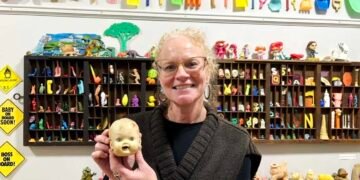























The Plum Island Museum of Lost Toys: A Cautionary Tale of Consumption
Amidst the scenic beauty of Plum Island, Massachusetts, a unique museum invites visitors to contemplate the impact of consumerism: the Plum Island Museum of Lost Toys & Curiosities. Founded by Corinn Flaherty, the museum displays an eclectic collection of discarded items, primarily washed ashore, aiming to provoke thoughtful discussions on plastic waste and its long-lasting effects on the environment.
Why It Matters
In a world increasingly grappling with the consequences of plastic pollution, the Plum Island Museum serves not only as a refuge for lost treasures but also as a vivid reminder of our consumption habits. By showcasing items that have outlived their intended joy, the museum compels visitors to reconsider their choices and the lifecycle of their possessions, especially during the holiday season.
Key Developments
- Origins: The museum was inspired by Flaherty’s discovery of a doll head on the beach during the harsh winter of 2015.
- Exhibition Space: Officially opened in 2021, the museum is housed in a converted carriage factory and features a vibrant display of various objects collected from the local beach.
- Popular Attractions: Visitors are drawn to the assembly of items, including toys, household remnants, and vintage tech, each with a story waiting to be imagined.
- Engagement: Recent tours have prompted discussions about sustainable alternatives to common consumer goods, influencing local community members to rethink their purchasing decisions.
Full Report
Founding Inspiration
Corinn Flaherty recalls the moment her passion for salvaging beach debris began. During the "Snowmageddon" winter of 2015, she spotted a solitary doll head, frozen in the sand on a frigid Plum Island beach. "It spoke to me," she shares, acknowledging its unsettling aura. This discovery marked the beginning of her journey into what she describes as the "flotsam rabbit hole."
The Museum Experience
Upon entering, visitors are greeted by a kaleidoscopic arrangement of lost items, from toys to household tools. On a recent tour, local attendees expressed awe at the sheer volume of objects, including squirt guns and a vintage Happy Meal toy. Flaherty’s imaginative display methods invite visitors to conjure their narratives surrounding the lost artifacts.
Countless dolls, some missing limbs, and beloved characters like The Hulk and Ariel are among the attention-grabbing displays. Flaherty relishes the stories that could emanate from these relics, even if they remain shrouded in mystery.
Artistic Approach to Waste
The museum’s aesthetic is a reflection of Flaherty’s artistry, as items are arranged on driftwood shelves with colorful wall hangings created from beach debris. This vibrant presentation resonates with visitors, creating an engaging atmosphere while conveying a serious message about waste and consumption.
Even after sharing her collected pieces, Flaherty encourages visitors to think critically about their carbon footprints. She engages with attendees about the impact of various objects, encouraging them to suggest biodegradable alternatives for prevalent items like shotgun shells, which are found frequently on the beach.
Local Reactions
Individuals visiting the museum often leave with a heightened consciousness about their consumption habits. Alex Matthews, a local rabbi planning a children’s Chanukah party, remarked on the fleeting nature of glow sticks and the need to consider more durable options. His gratitude toward Flaherty for presenting an uplifting yet poignant lesson about sustainability highlights the museum’s dual role as an entertaining and educational space.
Context & Previous Events
Flaherty’s initial discovery of the doll head in 2015 during an especially harsh winter set the tone for her mission. Eventually transforming her initial excitement into a cohesive collection, the Plum Island Museum of Lost Toys & Curiosities opened its doors in 2021. Through her efforts, Flaherty aims to raise awareness about the environmental implications of consumer behavior while also preserving the stories behind forgotten objects.






