






















Brothers Work to Rebuild Their Lives and Community After Overcoming Meth Addiction
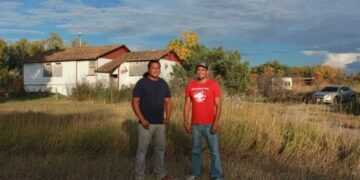
Lodge Grass, Mont., is witnessing a community-led recovery effort as two brothers, Lonny and Teyon Fritzler, return to their roots after battling meth addiction. Their journey, reflective of a broader struggle against substance abuse in Native American communities, highlights both the challenges and strides being made in the Crow Indian Reservation.
Why It Matters
The battle against methamphetamine use on reservations like Crow has become a pressing public health concern, with Native Americans facing disproportionately high addiction rates. This local recovery effort not only addresses the individuals affected but aims to reshape the community’s future by fostering hope and resilience.
Key Developments
- Lonny and Teyon Fritzler are returning to their childhood home in Lodge Grass, a property left vacant for years due to their struggles with addiction.
- Meth addiction rates in this Native American community are estimated at 60% for residents aged 14 and older.
- A new daycare center has opened in Lodge Grass, replacing an abandoned structure previously contaminated by meth.
- Plans for a new campus, Kaala’s Village, aim to provide mental health services, family housing, and resources for addiction recovery.
Full Report
A Community’s Legacy
The Fritzler brothers reflect on their upbringing in the Lodge Grass area, where they learned skills from their grandparents but also witnessed their father’s descent into addiction. Teyon began using meth at the young age of 15, while Lonny’s struggles began later in life, catalyzed by the pressures of caregiving. Their battles intertwined with the challenges faced by a community marked by widespread substance abuse and deteriorating infrastructure.
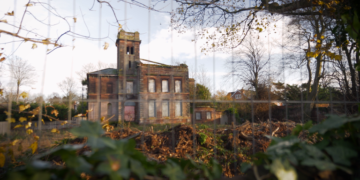
Upon recognizing the importance of recovery, the brothers moved to Oklahoma to seek treatment, leaving behind a neighborhood dotted with decaying homes—symbols of the pandemic of addiction affecting many families. Despite these obstacles, recent years have seen signs of renewal: over two dozen abandoned buildings have been demolished, and new businesses are emerging, signaling a commitment to rebuilding.
Signs of Hope
The opening of a daycare center managed by the Mountain Shadow Association marked a significant milestone for the town. Headed by Megkian Doyle, this facility aims to provide a safe space for families and children, a welcome change in a community often overshadowed by the effects of meth. Doyle expressed the emotional impact of the new facility’s arrival, with many community members moved to tears at the sight of tangible progress.
Plans are also underway for Kaala’s Village, a comprehensive campus focused on addiction recovery and mental health. This initiative will house families seeking treatment and provide educational programs for life skills. As construction progresses, including the building of a foster home, Lonny and Teyon are contributing by working on-site and receiving training to support others facing similar challenges.
Context & Previous Events
The ongoing meth crisis in Lodge Grass reflects broader trends within Native American populations, which face the highest addiction rates in the United States. Underfunding of the Indian Health Service and systemic discrimination contribute to this public health emergency. Local leaders, like Mayor Quincy Dabney, have initiated community clean-up efforts and the demolition of unsafe buildings, illustrating a grassroots movement aimed at reclaiming the town from the grips of addiction. Amid these struggles, signs of revitalization are emerging as residents unite to foster a healthier community for future generations.