






















Tensions Escalate as Trump Imposes Tariffs on Allies Over Greenland Dispute
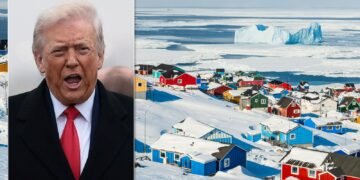
The ongoing dispute over Greenland has intensified transatlantic relations, prompting UK Prime Minister Keir Starmer to adjust his campaign focus amid the looming threat of new tariffs from U.S. President Donald Trump. With a critical election year ahead, Starmer’s efforts to address rising living costs have been overshadowed by urgent discussions with European allies regarding this unexpected escalation.
Why It Matters
The tensions arising from President Trump’s proposed tariffs represent a significant shift in the diplomatic landscape between the U.S. and its European allies. The stakes are high: trade impositions could further strain crucial partnerships, undermine security cooperation, and potentially destabilize the NATO alliance, an essential pillar of transatlantic unity. As world leaders grapple with the implications of this dispute, the future of international collaboration hangs in the balance.
Key Developments
- Sir Keir Starmer’s "cost of living tour" has been interrupted by negotiations stemming from Trump’s tariff threats.
- President Trump plans to impose a 10% tariff on goods from the UK and seven other European nations starting February 1.
- Starmer criticized the tariffs as “completely wrong” and asserted that Greenland’s future should be determined by its people and Denmark.
- A joint statement from the UK and involved nations warned that such tariff threats could harm transatlantic relations.
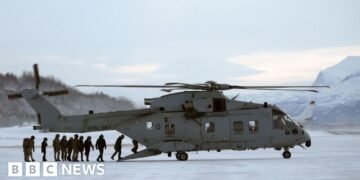
- Italian Prime Minister Giorgia Meloni highlighted a potential misunderstanding regarding recent military exercises carried out in Greenland by NATO allies.
Full Report
Dialogue and Reactions
In reaction to the tariff threats, Starmer held a brief yet cordial discussion with Trump over the weekend. UK officials indicated that careful communication and relationship management with the U.S. would be prioritized in addressing the situation. Observers within Downing Street acknowledged the need to remain composed while assessing the U.S. response to ongoing dialogues.
Starmer emphasized that the imposition of tariffs negatively affects both the UK and U.S. interests and reiterated the principle of sovereignty regarding Greenland. Following Trump’s public assertions, a coalition of European nations, including Denmark, Finland, France, Germany, the Netherlands, Norway, and Sweden, released a statement urging against the tariffs and reiterating their commitment to joint security in the Arctic.
Understanding the Dispute
The recent tensions may have been triggered by NATO nations’ reconnaissance activities in Greenland, which the U.S. allegedly misinterpreted as antagonistic. Meloni stated the military initiative was aimed at strengthening Arctic security in response to perceived threats from Russia and China, rather than targeting the U.S.
Despite the current strain, the involved European nations remain resolved to work collaboratively with the U.S. to enhance High North security, clarifying that their military exercises pose no threat to American interests.
Broader Implications
Amid this backdrop of escalating tensions, the U.S. has signaled a desire to pursue unilateral negotiating strategies concerning Greenland, which raises concerns about potential conflicts with NATO allies. President Trump’s administration has faced criticism for moving away from multilateral engagements, as evidenced by recent announcements regarding U.S. withdrawals from multiple international forums.
What remains uncertain is whether the threat of tariffs will materialize into a prolonged impasse or if diplomatic efforts will de-escalate the situation.
Context & Previous Events
The current situation constitutes one of the most serious crises in transatlantic relations in decades. Previous engagements had seen the U.S. and its allies working toward collective security and diplomatic cooperation. However, recent actions by President Trump, including previous threats of tariffs and questioning of multilateral commitments, indicate a growing rift that could redefine longstanding international alliances.
This unfolding story continues to resonate deeply within the context of the upcoming election year and the broader geopolitical landscape.