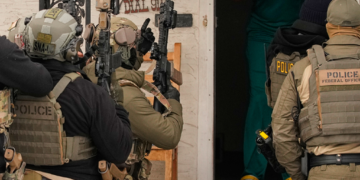























Battlefield Technology Used in Immigration Arrest Sparks Outcry
In a recent high-profile immigration arrest in Minneapolis, the use of advanced battlefield technology has drawn significant attention and criticism. The incident, examined by experts including former Marine Thomas Gibbons-Neff, raises questions about the implications of militarized tactics for domestic law enforcement.
Why It Matters
The deployment of military-grade technology in civilian operations underscores a growing trend in the U.S. where law enforcement agencies are increasingly adopting methods and tools traditionally reserved for combat. This shift has significant implications for civil liberties, community relations, and the overall approach to public safety.
Key Developments
- Incident Overview: A recent immigration arrest in Minneapolis utilized sophisticated technological equipment often found in military operations.
- Expert Analysis: Thomas Gibbons-Neff, a former Marine and seasoned journalist, assessed the tactical implications of this technology on community policing.
- Public Reaction: The military-style approach to immigration enforcement has elicited strong reactions from advocacy groups and community members.
Full Report
Incident Overview
Authorities executed an immigration arrest in Minneapolis using cutting-edge tools that have their origins on the battlefield. This intervention raises alarm over the strategies employed by law enforcement and how they intersect with civil rights.
Expert Insights
Thomas Gibbons-Neff, who has firsthand experience with battlefield conditions and tactics, provided insight into how these technologies affect policing practices. His observations highlight a concerning trend towards militarization in local law enforcement agencies, which can lead to an erosion of trust between residents and police.
Community and Advocacy Response
The militaristic approach utilized in the arrest has prompted various advocacy groups to voice their concerns. Community leaders emphasize the need for law enforcement to adopt more community-oriented practices and question the appropriateness of using military tools in non-combat scenarios.
Context & Previous Events
This incident is part of a broader trend in the U.S. where law enforcement agencies have reported increasing collaboration with military personnel and access to military-grade equipment. Enhanced surveillance technologies and other battlefield tools have been employed in various cities, igniting a national dialogue about the implications for civil liberties and community trust.






