






















Scrutiny Mounts Over Federal Immigration Enforcement After Fatal Shootings
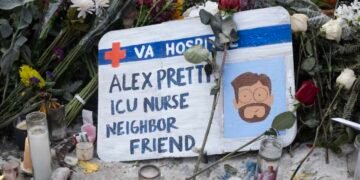
Federal immigration enforcement faces heightened scrutiny following the deaths of two U.S. citizens at the hands of immigration officers in Minneapolis. The incidents have ignited concerns about the lack of body-worn cameras and the practices of agencies involved in immigration enforcement during a significant operation in the city.
Why It Matters
The fatalities have intensified public and legislative scrutiny of federal enforcement tactics, particularly regarding accountability measures like body cameras. Despite legislative efforts aimed at increasing transparency, the absence of mandated camera usage raises questions about oversight and safety during immigration operations. This intersection of law enforcement and community safety continues to elicit widespread debate.
Key Developments
-
Two U.S. citizens, Renee Macklin Good and Alex Pretti, were shot and killed by immigration officers in separate encounters in Minneapolis.
-
Protests have erupted in response to the shootings, with community members and legal observers demanding accountability.
-
Homeland Security Secretary Kristi Noem characterized Pretti’s actions as "acts of terrorism," a claim contested by eyewitness accounts and video evidence.
-
The Department of Homeland Security has stated that investigations into the shootings are ongoing, with video footage being analyzed.
-
ICE’s deployment in Minneapolis is part of "Operation Metro Surge," which has drawn criticism for its methods and the rapid influx of officers.
- A shortage of body-worn cameras and lack of proper training for officers in Minneapolis has raised alarm among advocacy groups and lawmakers.
Full Report
Fatal Shootings Reignite Controversy
The tragic deaths of Alex Pretti, an ICU nurse, and Renee Macklin Good have fueled backlash against federal immigration enforcement tactics in Minneapolis. Both individuals fell victim to gunfire during separate incidents involving Border Patrol agents on January 25 and January 27.
Pretti’s death, in particular, has drawn sharp criticism as Homeland Security officials labeled his actions as "terroristic." However, preliminary evidence has not substantiated the claim that he brandished a weapon during the encounter, as no video confirming that assertion has been verified.
Investigatory Measures
The Department of Homeland Security (DHS) has commenced investigations into the incidents. A DHS official confirmed that body camera footage from various angles is currently under review, as both the Federal Bureau of Investigations and Homeland Security Investigations collaborate on this inquiry. Customs and Border Protection (CBP) has announced its own internal review as well.
Equipment Shortage and Legislative Responses
A significant obstacle to accountability remains the lack of available body-worn cameras for Immigration and Customs Enforcement (ICE) officers operating out of Minneapolis. According to Samuel Olson, office director for ICE Enforcement and Removal Operations in St. Paul, the office lacks the necessary equipment and training to deploy body cameras effectively. The agency estimates that equipping every officer would require several months and thousands of additional devices.
In contrast, CBP stated that personnel involved in "Operation Metro Surge" are expected to carry body cameras. Despite federal initiatives aimed at implementing body-worn cameras, such as a pilot program mandated by Congress for ICE, the program’s rollout has been hampered by policy changes during the Trump administration.
Funding Developments
Federal funding efforts are underway to address the body camera shortage. A recent spending bill in the House proposes $20 million specifically for ICE and CBP to procure these devices. However, the current legislation does not mandate the use of the cameras, prompting concerns about the effectiveness of any potential oversight.
Context & Previous Events
This incident occurs against a backdrop of controversy regarding federal immigration enforcement practices, especially during high-pressure operations like "Operation Metro Surge." Previous attempts to regulate the use of body cameras within these agencies have faced challenges, particularly during shifts in administration policies. In 2021, there was bipartisan support for enhancing oversight through body cameras, yet subsequent policy reversals have stalled implementation and training efforts.






