






















Carbon Monoxide Leak at Milligan University Leaves Hundreds in Need of Medical Attention
ELIZABETHTON, TN — A significant carbon monoxide leak at Milligan University has resulted in more than 200 individuals requiring medical evaluations on Wednesday. The incident highlights serious safety concerns at the campus, prompting immediate evacuation and treatment across multiple healthcare facilities.
Why It Matters
This incident underlines the critical importance of safety measures in educational settings. Carbon monoxide is a dangerous, colorless, and odorless gas that poses severe health risks, including potential unconsciousness or death. The situation calls into question the efficacy of safety equipment and emergency protocols at Milligan University.
Key Developments
-
Incident Response: Over 200 people are being treated across six Ballad Health hospitals in response to the carbon monoxide exposure. The university has not disclosed the exact number of students and staff affected.
-
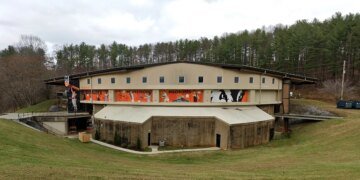
Leak Location: The leak was first identified Wednesday morning in the Steve Lacy Fieldhouse. Immediate evacuation protocols were enacted for all students and staff.
-
Investigation Underway: University officials confirmed that the source of the leak has been identified and repaired, with carbon monoxide levels returning to normal. However, they are investigating why the installed carbon monoxide detectors failed to activate during the incident.
-
Care Protocols: Patients receiving treatment are being monitored based on the severity of their symptoms. Those with critical exposure may require oxygen therapy and extended observation.
- Emergency Support Activated: Ballad Health has activated its Corporate Emergency Operations Center to manage the mass response and deployed an emergency physician to assist with on-site care coordination.
Full Report
Incident Overview
On Wednesday, a carbon monoxide leak was detected in Milligan University’s Steve Lacy Fieldhouse, prompting immediate evacuation of students and staff. Ballad Health reported that over 200 people sought medical evaluation at six of its hospitals in the area. While the university is still assessing the complete impact, healthcare providers prepared for an influx of patients requiring care.
Healthcare Response
The hospitals remain well-equipped to handle the surge in patients. Depending on their symptoms, individuals are receiving tailored medical attention. Those with minimal symptoms may only require up to six hours of observation, while patients experiencing significant exposure will undergo more comprehensive treatment, including oxygen therapy and monitoring that may last from 12 to 24 hours.
Safety Measures
Concerns have been raised regarding the functioning of carbon monoxide detectors in the fieldhouse, which reportedly did not alarm at the time of the leak. The university has since upgraded its safety measures by installing additional detectors and is conducting a thorough inspection of all carbon monoxide safety devices across campus to ensure reliable operation.
Context & Previous Events
Milligan University, a private Christian institution located approximately two hours east of Knoxville, is taking proactive steps to ensure the safety of its campus community. Officials have committed to transparent communication with the public while they recover from this unexpected health emergency. The response reflects broader concerns about the adequacy of emergency protocols in preventing such hazardous situations in educational facilities.
As the situation continues to develop, both university officials and healthcare providers stress the health and safety of their students and staff as their utmost priority.






