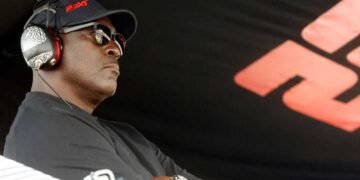























Michael Jordan’s involvement in NASCAR intensifies as he heads to federal court alongside his team, 23XI Racing, to challenge the industry over alleged antitrust violations. This trial, set to begin Monday, could reshape the landscape of American motorsports, exposing not only financial discrepancies but also deep personal conflicts among key figures in the sport.
Why It Matters
The outcome of this trial could have far-reaching implications for NASCAR’s governance and revenue distribution. As a major player in the sport, Jordan’s lawsuit raises critical questions about competition and fairness within NASCAR, potentially altering the balance of power among racing teams and their management.
Key Developments
- The lawsuit involves 23XI Racing, co-owned by Michael Jordan and Denny Hamlin, and Front Row Motorsports.
- Both teams refused to sign new charter agreements, which they claim favor NASCAR’s monopoly.
- 23XI and Front Row accuse NASCAR of having exclusive control over various aspects of the racing series.
- NASCAR maintains that it has not violated any antitrust laws and cites increased payouts in the charter agreement as evidence of fair competition.
- Discovery in the case has revealed damaging personal communications from both NASCAR executives and the plaintiffs.
Full Report
The legal battle commenced following a lawsuit brought by 23XI Racing and Front Row Motorsports against NASCAR, claiming that the racing organization operates as a monopoly. This action follows escalating tensions between the teams and NASCAR concerning charter agreements, which teams argue should include more favorable terms and protections.
Denny Hamlin, a three-time Daytona 500 champion and co-owner of 23XI, indicated a shift in strategy, asserting on social media that fans have been subject to misleading narratives from NASCAR for years. He emphasized that the trial represents a critical juncture for change within the sport.
NASCAR Commissioner Steve Phelps attempted to facilitate a settlement prior to the trial, asserting that the organization has sought to address the concerns raised by the teams. However, the contentious nature of the dispute indicates that negotiations have been unsuccessful.
The lawsuit centers around the charter system introduced in 2016, which gives teams a guaranteed entry into races but has drawn scrutiny regarding its fairness and revenue-sharing practices. Teams like 23XI and Front Row argue that the current charter agreements do not reflect the demands of the teams and contribute to an uncompetitive environment.
NASCAR’s defense rests on the assertion that the organization has adhered to normal business practices and has no intention of artificially restraining competition. They point to a robust revenue model, claiming that the charter payouts have increased. Additionally, the organization offers the possibility for non-chartered teams to compete for limited race spots, although this has also posed financial challenges for teams opting not to participate in the charter program.
During the discovery process, revealing exchanges between NASCAR executives—including derogatory comments about rival teams and drivers—have surfaced, further inflaming tensions among stakeholders. These developments signal not just a legal battle, but a deeper crisis in the governance and perception of NASCAR as a whole.
The trial will include testimony from several notable figures in the industry, although NASCAR has pushed for certain team owners to limit their involvement. The potential outcomes could reshape NASCAR’s operational framework, including the future of the charter system, while significant monetary damages could be awarded to the plaintiffs if they prevail.
Context & Previous Events
This legal dispute is rooted in issues arising from the charter agreements designed to stabilize competition in NASCAR. Following lengthy negotiations, teams, including 23XI and Front Row, found the terms of the latest agreements inadequate, prompting legal action under antitrust regulations. The case is viewed as a pivotal moment for the future of NASCAR and the character of professional racing in the United States.






