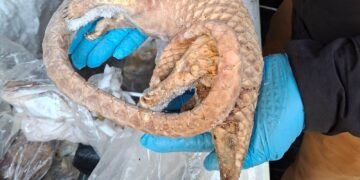

























Major Bust in Illegal Bushmeat Trade: 38kg Seized in London
A significant operation by authorities in London has led to the seizure of 38 kilograms of illegal frozen bushmeat, including endangered species like pangolins, cane rats, and porcupines. Police apprehended a 57-year-old man who has since been released under investigation, emphasizing the ongoing issues surrounding illegal wildlife trade and food safety risks.
Why It Matters
The illegal bushmeat trade poses serious health risks to consumers, primarily due to the lack of safety checks on meat that is smuggled across borders. Additionally, species such as pangolins are critically endangered, making their poaching not only a legal issue but also a pressing environmental concern. The recent operation highlights the ongoing battle against wildlife trafficking and its surrounding complexities.
Key Developments
- The operation took place on December 5 in Deptford, southeast London.
- The arrested man was found in possession of various illegal frozen meats.
- The Food Standards Agency (FSA) issued warnings against the consumption of illegally imported meat.
- Internationally, pangolins are among the most poached animals, with an estimated one million taken over the last decade.
- A global sting operation revealed a surge in wildlife trafficking activities, including 5.8 tonnes of bushmeat confiscated.
Full Report
Seizure of Illegal Bushmeat
Officers from the Food Standards Agency and Metropolitan Police carried out the raid, seizing significant quantities of frozen bushmeat. The FSA highlighted concerns regarding potential health risks for consumers stemming from illegally imported products that bypass essential safety protocols.
Endangered Species at Risk
Pangolins, known for their unique scales, are among the species that faced severe consequences from poaching. These creatures are often hunted for both meat and scales, which are used in traditional medicine markets across several countries, despite a lack of scientific evidence supporting any health benefits. The Zoological Society of London reports that pangolins have become the world’s most poached animals due to high demand.
Global Wildlife Trafficking
This raid aligns with a broader issue, as noted by Interpol, which has been coordinating operations against wildlife trafficking worldwide. Recently, authorities from 134 countries participated in efforts that uncovered criminal networks involved in the illegal trade of live animals and bushmeat. The operation led to the seizure of nearly 30,000 live animals and significant quantities of animal products.
Context & Previous Events
A recent joint operation by Interpol and the World Customs Organisation identified over 1,100 suspects linked to wildlife trafficking. This operation saw arrests made in multiple countries, including South Africa and Vietnam, further underscoring the complexity and scale of these illegal activities. The annual economic value of wildlife crime is estimated to exceed £14.9bn ($20bn), prompting ongoing efforts to combat these criminal networks that often intersect with other forms of illegal trade, such as drug trafficking.