






















U.S. Military Operation Results in Capture of Venezuelan President Maduro
In a bold military action early Saturday, the United States has detained Venezuelan President Nicolás Maduro and his wife, Cilia Flores, on serious charges related to drug trafficking and authoritarian governance. This momentous operation marks a significant escalation in U.S. efforts against what is perceived as an illegitimate regime accused of coordinating with drug cartels recognized as terrorist organizations by American authorities.
Why It Matters
The capture of Maduro reflects the U.S. government’s resolve to combat the rampant drug trade impacting American streets and its commitment to supporting democratic processes in Venezuela, a nation long afflicted by political turmoil. This intervention raises questions about international law and the methodology employed in U.S. foreign policy, especially concerning interventions against foreign leaders.
Key Developments
-
Operation Details: Maduro and his wife were captured during a military operation possibly linked to a long-standing indictment from 2020, involving multiple allegations of terrorism, drug trafficking, and weapon violations.
-
Trump Administration’s Role: Former President Trump had consistently pressured Maduro to resign, a sentiment echoed through U.S. military and diplomatic initiatives.
- Historical Precedents: This operation parallels past U.S. actions aimed at removing dictators and drug lords, such as the capture of Manuel Noriega in 1990 and Honduran President Juan Orlando Hernández in 2022.
Full Report
The Operation
The U.S. military moved decisively to apprehend Maduro in light of a 2020 federal indictment that implicated him in severe criminal activities. The charges against Maduro and his associates included involvement in drug trafficking operations described as part of a larger terror network. Maduro had clung to power amid accusations of human rights violations and corruption, positioning him against international demands for democratic reform.
Responses and Implications
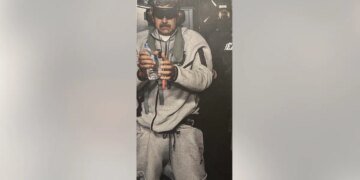
Following the capture, President Trump shared imagery of Maduro aboard the USS Iwo Jima, showcasing the decisive action taken against him. U.S. officials stated the mission underscores their commitment to anti-drug efforts and democratic ideals in Venezuela. There are rising concerns and discussions regarding the legality of such military operations, especially concerning sovereignty and international relations.
Political Ramifications
Maduro’s capture is expected to trigger a significant political upheaval within Venezuela. Observers speculate about potential shifts in power dynamics among Venezuela’s ruling elite, prompting fears of infighting and the potential for further destabilization in the region.
Context & Previous Events
The U.S. has historically engaged in military operations targeting foreign leaders perceived as threats. Notably, the capture of Manuel Noriega in 1990 involved similar accusations linking him to drug trafficking networks. Similarly, Honduran President Juan Orlando Hernández faced extradition to the U.S. for collaborating with drug traffickers shortly after completing his term in office.
With Maduro now detained, the future trajectory of Venezuelan politics hangs in the balance as the world watches the unfolding developments in a nation marred by years of crisis.






