






















Rising Tensions: Maduro Asserts Venezuelan Resolve Amid U.S. Military Actions
Venezuelan President Nicolas Maduro declared that his citizens are prepared to defend their nation as tensions escalate with the U.S. military, which has hinted at the possibility of land strikes in response to alleged drug smuggling. This rallying cry comes amid heightened military activity in the Caribbean, as President Trump’s administration focuses its efforts on vessels purportedly involved in trafficking narcotics.
Why It Matters
The escalating confrontation between the United States and Venezuela has implications beyond national borders, affecting regional stability and diplomatic relations. U.S. military operations targeting Venezuelan vessels could provoke broader conflict and raise legal questions surrounding such strikes. Maduro’s claims of "psychological terrorism" suggest a potential rallying point for his administration, portraying the U.S. as an aggressor while fostering national unity among Venezuelans.
Key Developments
- Maduro stated at a rally in Caracas that Venezuelans are ready to defend their country, citing 22 weeks of what he describes as psychological aggression from the U.S.
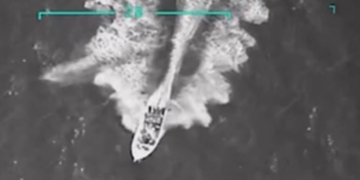
- The U.S. has executed at least 21 military strikes on boats it claims are transporting drugs, with the White House accusing Maduro of involvement in the drug trade, a charge he refutes.
- During a recent national security meeting, President Trump emphasized that multiple options are being considered for further military action.
- Concerns exist over the legality of U.S. military strategies in the region, especially following a controversial second strike that reportedly resulted in civilian casualties.
- Trump described a recent phone call with Maduro as neither positive nor negative, expressing a desire for a peaceful resolution.
Full Report
Increasing Military Presence
U.S. military forces are currently deployed in the Caribbean Sea and eastern Pacific, including a flagship aircraft carrier and thousands of troops. The Pentagon has justified its operations by categorizing the targeted gangs as foreign terrorist organizations. However, the U.S. has not publicly provided supporting evidence, such as drug confiscation photos, for its claims against the Venezuelan-labeled boats.
Controversies Surrounding Attacks
The first incident on September 2 involved the deaths of 11 individuals, with subsequent actions raising ethical questions, particularly regarding the legality of a second strike that targeted survivors in the water. Secretary of Defense Pete Hegseth has faced scrutiny over whether an order was issued to kill all onboard. He has dismissed such claims as “fake news,” insisting that all military actions comply with U.S. and international law.
Responses from Officials
Press Secretary Karoline Leavitt confirmed that a second strike had indeed taken place but denied that Hegseth ordered it. Instead, she stated that Navy Vice Admiral Frank Bradley was authorized to act within his legal capacity to eliminate the perceived threat to U.S. interests.
Context & Previous Events
In the recent past, President Trump has warned about the potential for land strikes against Venezuela. This rhetoric follows a pattern of U.S.-Venezuela tensions, where allegations of drug trafficking have been prominently cited in justifying military actions. Maduro, often viewed through a critical lens by Western nations, continues to assert that U.S. motivations lie in resource control, specifically targeting the country’s oil assets.






