






















Maduro Opens Door for Talks with the U.S. Amid Escalating Tensions
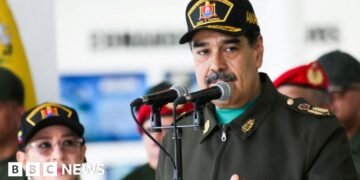
In a surprising turn of events, Venezuelan President Nicolás Maduro announced his willingness to engage in discussions with the United States regarding drug trafficking and oil. This development comes as the U.S. intensifies its military operations targeting drug smuggling in the Caribbean and attempts to impose pressure on Maduro’s administration.
Why It Matters
The potential for dialogue between Venezuela and the U.S. signifies a critical moment in addressing the complex issues of drug trafficking and oil sanctions, both of which have profound implications for regional security and international relations. As U.S. military actions continue to escalate, the prospect of negotiation could reshape diplomatic dynamics and impact the already strained relations between the two nations.
Key Developments
- Maduro expressed readiness for talks with the U.S. on drug trafficking and oil during a state TV interview.
- U.S. naval forces have conducted over 30 strikes against vessels suspected of drug trafficking since early September.
- Recent military actions include a drone strike that reportedly targeted a Venezuelan docking facility linked to drug boats.
- President Trump has claimed that these operations are part of a broader “war on drugs.”
- Maduro has been evasive regarding specifics about the U.S. strikes but indicated that discussions could take place soon.
Full Report
Maduro’s Offer for Dialogue
In a televised interview on Thursday, Maduro indicated he was open to engaging with the U.S. on critical issues, stating he was willing to have discussions “wherever they want and whenever they want.” This gesture comes in the light of escalating pressure and military actions from the U.S., particularly as American forces have stepped up strikes against suspected drug smuggling vessels.
U.S. Military Operations
Over the past three months, U.S. forces have targeted over 30 vessels believed to be involved in drug trafficking. Notably, the operations, described by the Trump administration as a “war on drugs,” have resulted in significant casualties, with more than 110 fatalities since the first attack on September 2. The latest military action occurred Wednesday, when two boats thought to be transporting narcotics were struck, resulting in the deaths of five individuals on board.
Allegations and Reactions
President Trump has suggested that U.S. military operations included a strike on a “dock area” associated with Venezuelan drug boats, resulting in a “major explosion.” Reportedly, this involved a drone strike attributed to the CIA, marking what could be the first confirmed U.S. operation on Venezuelan soil. Maduro, however, remained non-committal regarding the attacks, stating, “this could be something we talk about in a few days.”
Ongoing U.S. Sanctions
The U.S. has recently intensified its enforcement against sanctioned oil tankers operating between Venezuela and Iran, describing actions such as seizing tankers as acts of “international piracy.” These responses are part of a broader strategy to disrupt Maduro’s economy, as the U.S. seeks to limit oil exports from Venezuela, which is under heavy sanctions.
Context & Previous Events
The U.S. has alleged that Maduro’s government is complicit in drug trafficking, with Trump accusing the Venezuelan leader of “forcing” inmates to migrate to the U.S. Maduro’s recent openness to dialogue on both drug trafficking and oil indicates a potential shift in his administration’s approach to U.S. relations amid growing international scrutiny and sanctions.