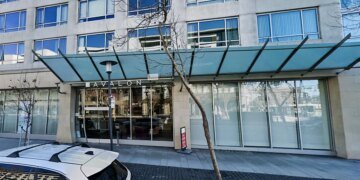























Federal Lawsuit Alleges Sex Trafficking at Luxury California Apartments
A woman claiming she was a victim of sex trafficking as a minor is filing a federal lawsuit against two luxury apartment complexes in San Francisco. The complaint alleges negligence on the part of employees, who reportedly ignored suspicious activity and, in some cases, were complicit in the trafficking operation that occurred within the upscale residences.
Why It Matters
This lawsuit underscores ongoing concerns about human trafficking in urban areas and the potential complicity of businesses in such crimes. It raises critical questions about the responsibility of property management and employees to recognize and report signs of trafficking, particularly when minors are involved. The allegations not only spotlight individual accountability but call for broader systemic changes in training and awareness within the hospitality and residential sectors.
Key Developments
- Complaint filed by a woman identified as A.V., alleging trafficking from 2018 to 2019.
- Accusations against Avalon at Mission Bay and South Beach Marina Apartments for negligence and complicity.
- Alleged trafficker “Tom Roe” reportedly engaged victims in sex acts within the properties.
- A.V. claims that apartment employees witnessed suspicious signs but failed to act.
- Lawsuit seeks accountability from apartment operators, security teams, and owners.
Full Report
Allegations of Complicity
The lawsuit, filed this month, alleges that staff members at the Avalon at Mission Bay and South Beach Marina Apartments turned a blind eye to sex trafficking activities occurring in their residences. The plaintiff, known only as A.V., claims the trafficking began while she was still in high school, making her underage at the time.
A.V. states that she was trafficked by a man referred to in the complaint as “Tom Roe,” who allegedly forced her and other minors into commercial sex acts in the luxury apartments. According to the lawsuit, Roe paid rent for these units in cash, and the properties served as operational headquarters for the trafficking scheme.
Indicators Ignored
Details within the complaint indicate that multiple employees—including front-desk staff, maintenance workers, and security personnel—observed various indicators of trafficking, such as the presence of unregistered tenants, frequent visits from non-resident men, and a lease held in the name of a person without a reported income. Despite these signs, the suit suggests that no action was taken to curb the trafficking operation.
Cash Payments and Threats
The lawsuit also accuses the trafficker of providing drugs to A.V. and other victims as a means of control and compliance, further describing how he branded victims with tattoos. The complaint claims that employees at the apartment complexes were allegedly paid in cash by Roe to maintain silence regarding the activities they would have otherwise reported.
Legal Proceedings
A.V. was reportedly able to escape the trafficking situation only after Roe’s arrest by the FBI, although the lawsuit does not specify the circumstances of the arrest or any federal charges that may be pending. The filing seeks to hold the apartment operators and their employees accountable for the trauma and negligence experienced by A.V. and other victims.
Context & Previous Events
The lawsuit raises significant concerns about the hospitality industry’s role in preventing human trafficking, particularly in properties frequented by transient populations. As this case unfolds, it may prompt further scrutiny and potential reforms in training procedures related to sex trafficking awareness in apartment management and similar establishments.






