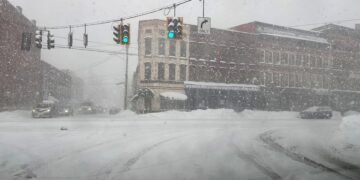























A Major Winter Storm Poised to Impact Millions Across the U.S. This Weekend
A significant winter storm is gearing up to blanket large portions of the United States this weekend, delivering snow, ice, and dangerously low temperatures from the southwestern border to the northeastern states. Forecasts predict that the storm could create hazardous travel conditions and infrastructure damage, affecting nearly half of the nation’s populace.
Why It Matters
The impending winter storm poses serious threats to safety and daily living, affecting transportation systems, power supplies, and emergency services across multiple states. With over 160 million people under alerts, the potential for catastrophic conditions necessitates immediate action and preparedness from residents and government agencies alike.
Key Developments
- A winter storm is projected to bring widespread snow, sleet, and ice from the Southern Rockies to New England starting Friday and lasting through the weekend.
- States including Texas, Georgia, and Virginia have already declared states of emergency in anticipation of the storm.
- The Federal Emergency Management Agency (FEMA) is mobilizing resources, including meals, water, and search and rescue teams, to assist affected areas.
- Residents are urged to stay home, prepare emergency supplies, and monitor weather updates closely.
Full Report
Impact and Forecast
The National Weather Service (NWS) has issued warnings for a “significant, long-duration winter storm” expected to bring “widespread heavy snow, sleet, and freezing rain” spanning numerous states. The storm will commence Friday, continuing until Monday, with weather advisories stretching from the Arizona-New Mexico border to upstate New York. Communities are being warned to brace for bitter cold and dangerously low wind chills.
Forecasters anticipate notable snow accumulations, with some areas from Oklahoma to Washington D.C. expected to receive up to 30 centimeters (approximately 12 inches). Furthermore, parts of Minnesota and North Dakota could experience frigid temperatures dipping to -46°C (-50°F). The storm has the potential to cause extensive damage, especially in regions experiencing heavy snowfall and ice formation, leading to long-term power outages and impassable roads.
Emergency Preparedness
As the storm approaches, about 160 million individuals are currently under varying forms of weather alerts. Twelve states, including Louisiana and Tennessee, have declared states of emergency in anticipation of the storm’s impact. FEMA is proactively positioning supplies and deploying hundreds of specialists nationwide, ensuring that critical resources, such as meals and water, are available. Search and rescue teams stand ready to assist if needed.
Residents have been advised to stay indoors and prepare emergency kits that include essentials such as flashlights, batteries, food, and winter clothing. Local emergency management agencies are emphasizing the importance of checking on neighbors and family and ensuring that home heating sources are safely ventilated. The Georgia Emergency Management Agency also stresses caution while shoveling snow and handling generators to prevent carbon monoxide poisoning.
Context & Previous Events
The storm’s effects will echo across multiple states, raising concerns similar to those previously seen during severe winter weather events. The NOAA has categorized such storms as life-threatening, highlighting their potential to cause significant disruption. The combination of heavy snow, ice accumulations, and severe cold underscores the need for residents to be vigilant and well-prepared in the face of this winter challenge.






