






















Iran Faces Unprecedented Protests Amid Government Crackdown
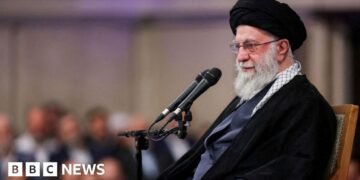
Protests across Iran have reached a critical juncture, with dissent escalating against the government amid economic turmoil. Supreme Leader Ayatollah Ali Khamenei labeled the demonstrators as "troublemakers," asserting that their actions are part of a foreign agenda aimed at undermining the Islamic Republic.
Why It Matters
The ongoing protests represent a significant moment in Iran’s recent history, not merely over economic grievances but also as a manifestation of widespread discontent with governmental authority. The calls for sweeping political changes, including a restoration of the monarchy, speak to a deeper public desire for reform and reflect tensions boiling under an authoritarian regime.
Key Developments
- Protest Dynamics: The demonstrations began on December 28 and have since grown to involve a multitude of Iranian cities, notably in Zahedan, where protesters chanted anti-government slogans.
- Casualties and Arrests: Human rights organizations report at least 51 deaths, including children, with more than 2,277 arrests recorded during the unrest.
- Khamenei’s Response: In a televised speech, Khamenei objected to foreign interference and framed the protesters as agents of chaos, defending the enduring nature of the Islamic Republic.
- International Reactions: Leaders from the UK, Germany, and France expressed grave concerns over the violence against protesters and condemned the killings, emphasizing the need for Iranian authorities to respect the rights of their populace.
- Internet Blackout: Following increased protests, the Iranian government imposed a near-total internet shutdown, complicating communications and limiting access to information.
Full Report
Government’s Response
Khamenei’s remarks reflect a defensive posture from the Iranian leadership, as the Supreme National Security Council emphasizes a "no leniency" approach toward dissent. This hardening rhetoric suggests a push for decisive legal actions against what the state refers to as "armed vandals." The intelligence wing of Iran’s Revolutionary Guard reiterated its commitment to suppress protests, labeling them as “terrorist acts.”
External Involvement
Former Crown Prince Reza Pahlavi called on U.S. President Donald Trump to be ready to assist the Iranian people amid their struggles, urging international support during a delicate phase of civil unrest. Trump has commented on the unfolding events, stating that the Iranian government is "in big trouble" and emphasizing that any U.S. involvement would not entail military boots on the ground.
The Situation on the Ground
Protests have been visibly widespread, with verified reports documenting disturbances in at least 67 locations, including the igniting of state-controlled facilities in Isfahan. Additionally, eyewitness accounts describe dire circumstances from Shiraz, where residents are scrambling to secure essential goods.
Context & Previous Events
The current protests echo earlier movements in Iran, notably the widespread demonstrations in 2022 triggered by the death of Mahsa Amini, who died in custody after being detained by morality police. Those protests resulted in over 550 fatalities and numerous arrests, highlighting the societal fissures concerning governmental authority and public expression. The latest unrest is rooted in longstanding frustrations over economic instability, reflected in a collapsing currency and rising costs of living.
As this situation continues to develop, the interplay between Iranian state authority, public dissent, and international pressures will remain critical to watch.