






















Firestorm Unleashed: Los Angeles Faces Aftermath of Catastrophic Wildfires
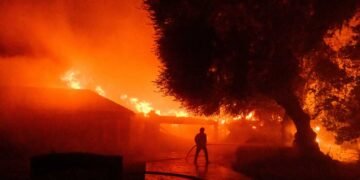
In January 2025, Los Angeles experienced unprecedented wildfires that ravaged the Pacific Palisades and Altadena, destroying over 16,000 structures and taking at least 31 lives. The fires not only decimated homes but also laid bare critical failures in emergency response, misinformation, and community resilience.
Why It Matters
The devastating fires serve as a stark reminder of the increasing frequency and intensity of wildfires in California, exacerbated by climate change and poor infrastructure decisions. The events have raised significant questions about public safety, emergency preparedness, and the disparities faced by vulnerable communities within the metropolis.
Key Developments
- Fires Claim Lives and Homes: The simultaneous Palisades and Eaton fires consumed thousands of homes, marking one of California’s deadliest wildfire seasons.
- Misinformation Challenges: President-elect Donald Trump erroneously blamed Los Angeles for inadequate water resources, complicating the firefighting efforts and contributing to public distress.
- Firsthand Accounts: Journalist Jacob Soboroff, who covered the calamity, describes the trauma and isolation he felt witnessing his childhood neighborhood burn.
- Infrastructure Issues: Firefighters reported low water pressure hampering firefighting efforts, attributed to widespread reliance on outdated water systems.
- Power Line Risks: The fires were sparked by dormant electrical lines during a windstorm, raising concerns about the safety of above-ground utilities.
- Community Impact: The role of undocumented immigrants as “second responders” in recovery efforts highlighted systemic inequalities, and ongoing enforcement campaigns have complicated their contributions.
Full Report
Fires’ Immediate Impact
The Palisades and Eaton fires wreaked havoc in early January, leading to significant loss of life and property. Soboroff, once embedded in a campfire discussion about avoiding such reporting in the new year, ended up on the frontline just a week later. He expressed the emotional weight of witnessing the destruction of the familiar landscapes of his upbringing. The burning of homes and historic buildings transformed communities into desolate construction zones, leaving many residents displaced.
Misinformation and Response
President-elect Trump’s misstatements regarding water shortages during the crisis drew ire, complicating the narrative around firefighting efforts. Soboroff remarked that the misinformation added a layer of trauma for families desperately seeking news. Contrary to the comments by the president-elect, firefighters faced immense challenges due to low water pressure in the area, exacerbated by the simultaneous use of multiple hydrants.
Infrastructure Failures
Investigations point to dormant electrical lines as a key factor in igniting the fires. Windstorms caused these lines to become electrified, which ultimately led to incendiary conditions. Soboroff questioned the logic behind the continued operation of these aging power lines, emphasizing the need for modernization in utility infrastructure—specifically the underground installation of power lines to reduce fire risks.
Community Response and Recovery
In the wake of the disaster, undocumented immigrants emerged as crucial to rebuilding efforts in the affected communities. Soboroff emphasized the dual nature of these disasters, exposing societal fissures while also highlighting the resilience of individuals willing to assist in recovery. However, recent immigration enforcement initiatives have complicated these communities and the essential roles these workers play, making their contributions politically contentious.
Current Landscape
Today, Pacific Palisades and Altadena resemble expansive construction sites, with many structures still in ruins. Residents who once called these neighborhoods home are now scattered, with construction crews working tirelessly to restore what once was. Soboroff’s observations reflect a haunting reality—while physical rebuilding is underway, the emotional scars of wildfire disaster run deep.
Context & Previous Events
The Palisades Fire was preceded by the Lachman Fire, an incident believed to have been started by an arsonist just a week earlier. The remnants of that fire continued to smolder underground, contributing to the intensity of the subsequent blazes that decimated the region. Firefighters had previously reported issues with downed power lines in the area, preparing the stage for a catastrophic ignition at the onset of the new year.
As communities aim to recover from the ashes, deeper questions about safety, environmental policy, and social justice persist—a narrative that will undoubtedly shape Los Angeles’ future.






