






















Israeli-Russian Woman Shares Harrowing Experience After Release from Captivity in Iraq
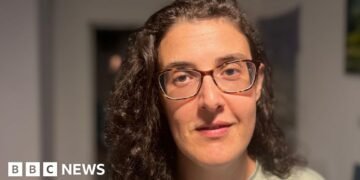
Elizabeth Tsurkov, an Israeli-Russian doctoral student, has recounted her harrowing two-and-a-half-year ordeal in captivity after being kidnapped by militants in Iraq. Her story exposes the brutal realities of abduction and torture while shedding light on the complex political dynamics surrounding her release.
Why It Matters
Tsurkov’s experience underscores the perils faced by foreign nationals working in volatile regions like Iraq, particularly under the threat of Iran-backed militias. Her case highlights ongoing concerns about the influence of such groups on the stability of Iraq and the safety of individuals conducting research or humanitarian work in the country.
Key Developments
- Elizabeth Tsurkov was released after 903 days in captivity, during which she endured extreme abuse.
- She was kidnapped in March 2023 while conducting fieldwork for her PhD in Baghdad.
- Tsurkov falsely confessed to being a spy to reduce her torture, leading her captors to demand new "confessions."
- The U.S. government’s intervention reportedly played a crucial role in her release, with threats made to militia leaders.
- Following her release, Tsurkov expressed concerns about the political climate in Iraq and the impact of recent events on potential peace efforts.
Full Report
Incident of Kidnapping
In March 2023, while working on her PhD in comparative politics, Tsurkov agreed to meet someone she believed was a friend of a friend. However, the person failed to show, and as she walked home, she was abducted by two men. The kidnappers physically assaulted her before taking her into the outskirts of Baghdad.
Brutality and Survival Strategies
Initially, Tsurkov was starved and subjected to intense interrogation. Her captors, who were unaware of her Israeli citizenship, initially tormented her under the assumption that all foreigners were spies. Once they discovered her identity, the abuse escalated. Tsurkov described various methods of torture, including electrocution and whippings.
In a desperate attempt to secure her safety, she created elaborate false confessions. These were based on the conspiratorial beliefs held by her captors, which implicated unlikely associations between Western nations and extremist groups. However, the more she tried to comply, the more brutal the torture became as they sought additional information.
Role of U.S. Intervention in Her Release
Tsurkov’s release came just a month after U.S. businessman Mark Savaya, appointed as special envoy to Iraq, communicated with Iraqi leaders regarding her situation. According to Tsurkov, Savaya warned Prime Minister Mohammed Shia al-Sudani of severe consequences if she was not freed promptly. Shortly thereafter, she was set free.
Iraq’s Prime Minister described her release as the result of significant efforts by local security forces, but omitted mention of Savaya’s intervention and its implications. A senior official from Kataib Hezbollah later suggested that the Faction’s decision to release Tsurkov was politically motivated, intending to avoid conflict with the U.S.
The Aftermath of Release
Now residing in Israel, Tsurkov is beginning her long recovery process, both mentally and physically. She aims to continue her education and complete her PhD. However, she has expressed concern about the increasing power of Iran-backed militias in Iraq and how it affects ordinary Iraqis caught in a severely corrupt system.
Reflecting on her traumatic experience, Tsurkov noted that her trauma resonates with many Israelis in light of recent attacks and ongoing conflict. She acknowledged the shared feelings of insecurity and anger prevalent among those living in Israel today.
Context & Previous Events
Elizabeth Tsurkov was conducting research related to her academic program when she was kidnapped in March 2023. During her captivity, she endured severe abuse for 100 days before being subjected to extended periods without torture. Upon her release in September 2023, her experience led to broader discussions about the implications of militia power in Iraq and the precarious position of foreign nationals in conflict zones.