






















Tragic Toll of Iran’s Protests: Families Face Heartbreak Amid State Crackdown
In the wake of intense protests across Iran, reports have emerged of a brutal state-backed crackdown resulting in numerous fatalities, with officials citing around 650 deaths. As families search for their loved ones in morgues filled with body bags, human rights abuses continue to spark international outrage and concern.
Why It Matters
The ongoing protests in Iran highlight deep-seated societal grievances, exacerbated by a government response characterized by violence and suppression. The reported casualties have raised alarms among human rights organizations, underlining the regime’s effort to quash dissent while restricting access to information and communication.
Key Developments
-
Fatalities Reported: Families are gathering at a forensic center in Kahrizak, Tehran, where hundreds of body bags have been documented, signaling a widespread and tragic loss of life.
-
Internet Blackouts: Authorities have imposed significant restrictions on communication, disabling internet services and obstructing international calls, leaving families without access to crucial information about their loved ones.
-
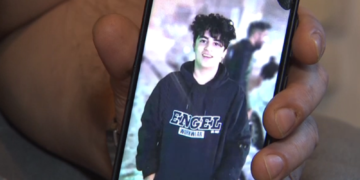
Protest Violence: Eyewitness accounts reveal that protesters faced lethal force from plainclothes police. Reports indicate individuals, including 17-year-old Amir Ali Haydari, were shot and beaten during demonstrations.
- Government Disinformation: Many families report instances of state cover-ups concerning causes of death, with false documentation provided to mitigate accountability for the violence inflicted.
Full Report
Scenes of Grief
In a warehouse at a government forensic center in Kahrizak, the air is heavy with sorrow as relatives search through rows of body bags for familiar faces. A devastated woman kneels by one of the bodies, revealing the gut-wrenching reality many families are facing. The accounts of those who lost loved ones paint a harrowing picture of the protest violence that has erupted across the country.
The Impact of Violence
Diako Haydari, a resident of Cardiff, shared details about his cousin Amir Ali, a 17-year-old shot during protests in Kermanshah. He described how Amir was shot in the heart and viciously attacked after he fell, a death certified by authorities as resulting from a fall. Eyewitness footage demonstrates the aggressive tactics employed by security forces, with plainclothes officers firing weapons at demonstrators.
Reports indicate that many of Amir’s peers sustained severe injuries or were killed during the unrest, as the police response to the protests turned violent. There is a profound sense of loss, compounded by the knowledge that multiple friends of Amir suffered similarly tragic fates.
The Morgue Crisis
Families report chaos at local hospitals, with authorities reportedly using city buses to transport the deceased. Diako’s family encountered a grim scene at Taleghani Hospital, where estimates suggest around 500 bodies were collected from various protests. The weight of the losses is felt acutely by families separated by distance and communication barriers, unsure if their loved ones are among the casualties.
Context & Previous Events
The violent crackdowns represent a broader pattern in response to dissent within Iran, where authorities have often resorted to extreme measures to maintain control and silence opposition. In addition to physical violence, the Iranian regime has taken steps to restrict information flow, including blocking access to the internet and disabling satellite connections, reflecting a commitment to stifle any narrative conflicting with state propaganda.
As families navigate this tragic landscape, the resilience of the human spirit in the face of such adversity remains evident, highlighting the ongoing struggle for freedom and justice in Iran.