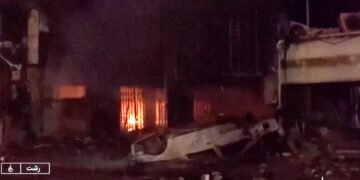























Protest Erupts in Tehran Amid Internet Blackout, Young Woman’s Account Reveals Brutality
Recent events in Tehran illustrate the escalating violence and unrest in Iran, marked by protests and a severe state response. A young woman, who has shared her experiences after fleeing the country, warns that the world needs to pay attention to what is unfolding amidst a near-total internet blackout that has isolated many citizens.
Why It Matters
These protests come at a time of heightened tension within Iran, where citizens are voicing their discontent against the Islamic Republic. Eyewitness accounts, like that of the woman known as Leila, reveal a chilling narrative of violence and suppression, underscoring the urgent need for international awareness and intervention to protect those affected.
Key Developments
- Internet Blackout: Iran experienced a near-total internet shutdown for five days, making it difficult for residents to communicate or report on the situation.
- Escalating Unrest: Protests began on Thursday and intensified over the weekend, with demonstrations occurring nightly across Tehran.
- Civilians at Risk: Leila described horrifying scenes where protesters were shot, and she witnessed numerous acts of violence, including the targeted shooting of individuals.
- Call for Action: Many Iranians, including Leila, are appealing for international intervention to stop the violence and advocate for their safety.
Full Report
Eyewitness Testimony
Leila, a dual national who prefers to remain anonymous for safety reasons, described the oppressive atmosphere in Tehran, stating, "It was war." She detailed that protesters gathered each night, chanting slogans against the regime and calling for the return of former monarch Reza Pahlavi. "Everyone was being shot in the head," she recounted, highlighting the brutality of the authorities’ response, which included tear gas and gunfire.
She observed that the streets transformed into a battlefield, particularly around Tehran University, where confrontations escalated dramatically. Amid the chaos, she witnessed a member of the Revolutionary Guard brandishing a weapon at a mother and her crying child in a car. While the mother was spared, the violence had already claimed numerous lives, including that of a friend’s cousin who was shot multiple times.
Restrictions and Fear
During the daytime, Leila noted that citizens spoke in hushed tones about the violence, revealing a pervasive atmosphere of fear and uncertainty. As the government insists that the situation is "under control," the reality for many remains dire, with ongoing violence and arrests. Leila’s narrative contrasts sharply with the state’s portrayal of calmness.
As she attempted to leave Iran, she faced risks at the airport. Security personnel questioned her and scrutinized her phone for protest-related photographs, which, if discovered, could have led to severe consequences. Despite managing to escape, she has not been in contact with her family since Sunday, underscoring the ongoing risks for those left behind.
Continued Pleas for Help
Now in Dubai, Leila joins others who have fled and are urgently calling for international interventions, particularly from the United States. Her plea reflects a broader sentiment among Iranians that without external support, the cycle of violence and repression will continue unabated. "This time, everybody is out on the streets," she asserted, expressing solidarity across societal lines as citizens unite against their oppressors.
Context & Previous Events
This wave of protests is occurring in a context of ongoing discontent towards the Iranian government. Reports indicate an increasing number of clashes between security forces and civilians as frustrations mount over political repression and social injustices. The recent internet blackout has further complicated efforts to verify events on the ground, making it essential for global audiences to acknowledge and respond to the pleas for help from inside Iran.