






















Nationwide Protests in Iran Continue Amid Violent Crackdown
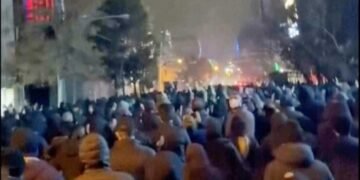
Protests against Iran’s theocratic government have erupted across the country, reaching a critical point as activists report at least 116 deaths in the ongoing demonstrations. As public dissent enters its third week, the Iranian government intensifies its crackdown, cutting off internet access and detaining thousands of participants.
Why It Matters
The protests signify growing unrest in Iran, fueled by economic decline and frustration with the regime’s authoritarian rule. This wave of demonstrations poses a challenge not just to the Islamic Republic but also to regional stability and international relations, particularly amid escalating tensions involving the U.S. and Israel.
Key Developments
- Protests resumed in Tehran and Mashhad, as well as reportedly in Kerman, defying government efforts to suppress dissent.
- The death toll from the clashes has reached at least 116, with around 2,600 individuals detained, according to rights groups.
- Iranian officials have threatened retaliation against the U.S. and Israel, describing them as "legitimate targets" in case of military action against Iran.
- The internet blackout complicates assessments of the situation, limiting information from within the country.
- Exiled Crown Prince Reza Pahlavi has called on demonstrators to continue protests over the weekend, urging them to reclaim public spaces with symbols of pre-revolutionary Iran.
Full Report
Escalating Violence and Government Response
As protests spread in Iran’s capital and second-largest city, authorities have intensified their crackdown. Lawmakers in Iran’s parliament have reacted by chanting anti-American slogans and threatening military action against the U.S. and Israel. Iran’s parliament speaker, Mohammad Baqer Qalibaf, declared that any attack would lead to retaliatory strikes against American military installations and Israeli positions.
Videos emerging from Iran, despite the internet shutdown, show demonstrators rallying in various neighborhoods, signaling widespread dissent against the theocratic regime. Protesters have utilized Starlink satellite transmitters for communication, highlighting their determination to continue despite government efforts to stifle dissent.
Continued Support from U.S. Officials
U.S. President Donald Trump expressed solidarity with the Iranian people, stating that they are on the path to "freedom" and assuring them of U.S. support. Meanwhile, reports indicate that Trump is contemplating military options against Iran, although officials have urged caution. The State Department warned Iranian authorities not to underestimate U.S. resolve.
Threats of Further Crackdown
Iran’s attorney general recently escalated rhetoric by labeling protesters as "enemies of God," which could lead to severe legal consequences, including the death penalty for those involved in the demonstrations or those perceived to support the protesters.
Context & Previous Events
The protests began on December 28, coinciding with the collapse of Iran’s currency, which is now trading at over 1.4 million rials to the dollar. This economic instability, exacerbated by international sanctions linked to Iran’s nuclear program, has fueled public discontent and calls for the government’s accountability. The demonstrations have evolved from economic grievances to broader challenges against the authority of the Islamic Republic, signaling a profound shift in the social landscape of Iran.






