






















Rising Tensions in Iran: Cleric Calls for Executions Amidst Protests
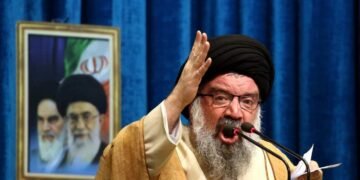
As Iran experiences a fragile calm following recent protests and a severe crackdown, the atmosphere remains charged with calls for harsh penalties against demonstrators. A senior cleric advocated for the death penalty for those arrested, issuing direct threats toward U.S. President Donald Trump, underscoring the heightened tensions within the Islamic Republic.
Why It Matters
These developments signal a volatile intersection of domestic dissent and international posturing, showcasing the stark divide between moderating voices and hard-liners in Iran. The response to the protests can affect not just Iranian society but also shape U.S.-Iran relations and regional stability, particularly amidst concerns of escalating violence.
Key Developments
- Ayatollah Ahmad Khatami called for the execution of detained protesters during a Friday sermon, labeling them as agents of foreign leaders.
- U.S. President Trump remarked positively on Iran’s decision to refrain from executing numerous arrested individuals, suggesting a potential shift away from military intervention.
- According to a U.S.-based rights group, the death toll from the protests has surpassed 3,000, highlighting the severity of the unrest.
- Protests initially ignited by economic grievances escalated into widespread defiance against the Iranian theocracy.
- Despite the apparent suppression of domestic protests, support networks abroad continue to rally against the Iranian government.
Full Report
Sermon and Reactions
In his sermon broadcast on state radio, Ayatollah Khatami incited fervor among attendees, shouting for the death of "armed hypocrites." He characterized protesters as supporters of U.S. and Israeli interests, promising retaliation against both nations. Khatami’s remarks echoed the urgency felt by hard-line factions within Iran as they grapple with public dissent.
U.S. Response
President Trump acknowledged Iran’s decision to abandon planned executions of protesters, a significant concession in the context of escalating tensions. While Trump expressed appreciation for this gesture, he avoided detailing his contacts in Iran or verifying the claims. His cautious tone may indicate a move away from military responses, driven by concerns from regional allies regarding the impact of U.S. intervention on the global economy.
Continued Unrest
Although demonstrations in Tehran have quieted, the Human Rights Activists News Agency has reported a rising death toll, underscoring the lethal outcomes of the crackdown. The agency’s figures, derived from an extensive local network, indicate a level of violence unprecedented in recent decades. Meanwhile, authenticated reports of damages to religious institutions and emergency services substantiated the cleric’s claims of widespread unrest and vandalism.
International Dynamics
Concurrently, diplomatic efforts are being made to decrease tensions, with Russian leaders engaging both Iranian and Israeli heads of state amid this crisis. The broader geopolitical implications of Iran’s civil unrest continue to ripple through international relations, raising alarms among neighboring nations.
Exiled Perspectives
In the diaspora, activists and supporters are mobilizing, echoing calls for renewed protests within Iran. Reza Pahlavi, the exiled Crown Prince, expressed confidence in U.S. support for Iranian dissidents. He advocated for renewed demonstrations while framing himself as a potential transitional leader should the regime falter.
Context & Previous Events
The protests began on December 28, fueled by grievances over Iran’s struggling economy before transforming into broader confrontations with the ruling theocracy. The government’s violent response has resulted in thousands of arrests and casualties, invoking memories of the unrest during the 1979 revolution. This backdrop is crucial for understanding the current landscape of dissent and state repression in Iran.






