






















Unrest Erupts Across Iran in Response to Economic Crisis
Protests have spread to at least 17 of Iran’s 31 provinces, marking the most significant challenge to the clerical government since 2022. The unrest, driven by public discontent over economic hardship following a sharp currency devaluation, has seen demonstrators taking to the streets in over 40 towns and cities nationwide.
Why It Matters
This wave of protests not only underscores a growing discontent with the economic mismanagement and corruption prevalent within the Iranian government but also threatens the stability of a regime that has historically relied on repression to maintain control. Observers note that the significance of the protests lies in their rapid expansion across regions previously deemed loyal to the state, indicating a potential fracture in government support.
Key Developments
- Protests have been confirmed in 17 provinces, with reports indicating unrest in 11 additional regions.
- Demonstrations began on December 28 following a severe devaluation of Iran’s currency.
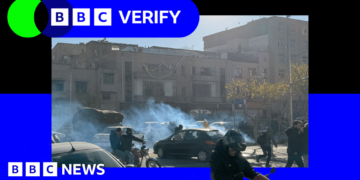
- Verified footage showcases anti-government gatherings in various towns, including Qom and Mashhad.
- Reports suggest multiple fatalities, with human rights organizations estimating over 35 deaths since the protests began.
- Supreme Leader Ayatollah Ali Khamenei urged for the suppression of "rioters" as authorities escalated their response.
- The protests have taken an anti-state tone, with calls for the ouster of the Islamic Republic increasing.
Full Report
Escalation of Protests
Since late December, a series of protests sparked by economic grievances have grown into a broader anti-government movement. Verified video evidence shows that demonstrations occurred across numerous cities, including those perceived as strongholds of loyalty to the Islamic Republic.
Prof. Sina Azodi from George Washington University highlighted that the protests in these traditionally loyal regions reflect widespread economic struggles impacting the government’s base of support.
Government Response
The initial response from security forces was reportedly restrained; however, as the protests intensified, so did their crackdown. Following Khamenei’s comments, which emphasized the need to quell dissent, authorities ramped up their use of force. The Iranian judiciary has indicated that while they would listen to legitimate grievances from protesters, they would not tolerate actions that threaten national security.
The Islamic Revolutionary Guards Corps warned that they would not allow further protests to disrupt public order.
Casualties and Violence
Multiple reports, including those from human rights organizations, document at least 35 deaths due to the protests, including casualties among security personnel. Incidents of violence were noted, particularly in the western town of Malekshahi, where gunfire broke out during a demonstration.
Footage from other cities, such as Azna, showed demonstrators setting fire to a police station in retaliation to security measures perceived as oppressive.
Shift in Protest Narratives
Initially focused on economic issues, recent demonstrations shifted to anti-government sentiments expressed through chants against Ayatollah Khamenei. Some protesters have called for the return of the Shah’s regime and denounced the clerical rule established after the 1979 Islamic Revolution.
Holly Dagres, a senior fellow at the Washington Institute, pointed out that the ongoing issues of corruption and economic mismanagement remain central to public dissatisfaction.
Context & Previous Events
The current protests draw parallels to the Women, Life, and Freedom protests of 2022, which followed the death of Mahsa Amini while in custody for perceived violations of hijab regulations. Those demonstrations saw significant state violence, with estimates of over 550 deaths. The Iranian government has a history of suppressing dissent, often relying on lethal force to quell unrest.
This latest wave appears to encapsulate not only economic frustration but also deep-rooted grievances against the governing authorities, potentially signaling a more profound conflict within Iranian society.