






















Immigrant Detention Centers Reopen Amid Controversy
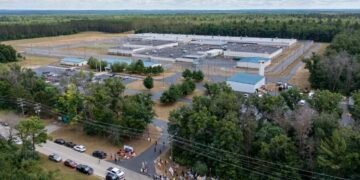
Activists are raising concerns as shuttered prisons across the U.S. are being reopened as immigrant detention centers, most recently exemplified by the North Lake Processing Center in Baldwin, Michigan. This shift reflects a broader trend under the Trump administration, which has seen an unprecedented rise in immigration detention rates, amplifying scrutiny of conditions in these facilities.
Why It Matters
The reopening of these facilities is significant due to the historical allegations of mistreatment and inadequate conditions that plagued them when they were operational. As the number of detainees in ICE custody reaches record levels, the implications for immigrant rights and healthcare access become increasingly pressing. Critics warn that the transition from prison to immigration detention may perpetuate a cycle of abuse without remedying past failures.
Key Developments
- Activists rallied at the North Lake Processing Center after its reopening this year as an ICE facility.
- Over 65,000 individuals are currently held in immigration detention, the highest number on record.
- At least 16 former prisons have been repurposed as ICE detention centers since January 2017.
- Facilities previously closed due to poor conditions, including Irwin County Detention Center in Georgia, have been reopened.
- A recent lawsuit highlights accusations of inadequate healthcare for detainees, notably concerning cancer treatment.
Full Report
Reopened Facilities and Their Histories
The North Lake Processing Center has had a contentious history, initially operating as a juvenile detention facility before transitioning to a federal prison. Its latest reopening follows a pattern where previously closed facilities, often criticized for poor conditions, are repurposed under the current administration’s immigration policies. Setareh Ghandehari, advocacy director at the Detention Watch Network, notes that this trend is exacerbated by an immigration enforcement crackdown that has heightened demand for detention space.
In Georgia, the Irwin County Detention Center reopened under ICE after a prior closure due to severe allegations of medical abuse against detained women. Such histories raise alarms among advocacy groups about the adequacy of oversight and the potential for recurring mistreatment of vulnerable populations.
Detainee Experiences
Jose Contreras Cervantes, recently detained at North Lake, has shared troubling details about his healthcare while in custody. After his arrest for alleged immigration violations, Contreras Cervantes claims he did not receive crucial chemotherapy medications for weeks, raising concerns about the facility’s adherence to medical guidelines. "Every minute, every second that went by felt like a ticking clock to me," he recounted.
In response to allegations regarding inmate care, GEO Group, which operates North Lake, insists that their facilities meet federal detention standards. Meanwhile, critics like Eunice Cho, senior counsel at the ACLU’s National Prison Project, highlight a worrying trend where cuts to oversight initiatives signal declining accountability in immigrant detention conditions.
Financial Implications
The financial interests tied to these re-opened facilities are notable, with GEO Group reported a revenue increase of nearly $2 billion in the first nine months of this year, indicating a lucrative incentive to maintain high occupancy rates in these detention centers. This raises concerns about profit motives overshadowing the welfare of detainees.
Context & Previous Events
Under previous administrations, several of these facilities faced allegations of abuse and neglect, resulting in their closure. Notably, North Lake has switched back and forth between various roles over the years, from a juvenile detention center to federal prison, and now an ICE facility. The return to detaining immigrants follows a broader push by the Trump administration to utilize existing prison infrastructure to accommodate rising detention numbers, despite documented histories of maltreatment in many of these settings.






