






















Kneecap Appeals Terrorism Case Dismissal in High Court
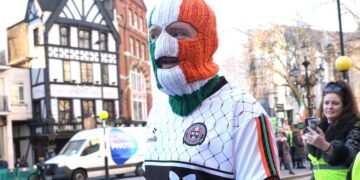
Supporters of the Northern Irish rap trio Kneecap demonstrated outside the High Court on Wednesday as judges heard an appeal from the Crown Prosecution Service (CPS) regarding the dismissal of a terrorism case against band member Liam Og O hAnnaidh, known as Mo Chara. This case revolves around allegations that O hAnnaidh displayed a flag supporting Hezbollah during a performance in London in November 2024, raising questions about legal procedures and the interpretation of relevant laws.
Why It Matters
This case touches on significant issues relating to freedom of expression, the interpretation of terrorism laws, and the operational procedures within the UK legal system. The dismissal of the charges on technical grounds has sparked a broader conversation about the validity of similar prosecutions and the implications for artists and public figures. The CPS’s appeal aims to clarify crucial legal points that could have consequences for future cases.
Key Developments
- Kneecap’s JJ O’Dochartaigh (DJ Provai) and manager Daniel Lambert attended the High Court appeal, joined by supporters and protesters.
- The CPS is appealing a previous ruling that deemed the proceedings against O hAnnaidh unlawful due to lacking prior consent from the attorney general at the time charges were instituted.
- Judges are expected to deliver their judgment at a later date after hearing arguments from both sides.
- The CPS contends that the necessary legal permissions were in place before O hAnnaidh’s court appearance.
Full Report
Legal Proceedings
O hAnnaidh was initially charged in May 2025 with displaying a flag supporting a terrorist organization, following a concert that took place in November 2024. The case was dismissed by Chief Magistrate Paul Goldspring in September, who ruled that the charge was "unlawful" due to procedural errors. Specifically, the court found that prosecutors had failed to secure required permission from the attorney general prior to initiating legal proceedings against the rapper.
The CPS has since launched an appeal, arguing that the necessary permission was obtained before the first court appearance on June 18. Paul Jarvis KC, representing the CPS, indicated that the chief magistrate misinterpreted the law by dismissing the case, insisting that the legal groundwork for the prosecution was adequate.
In contrast, Jude Bunting KC, advocating for O hAnnaidh, emphasized that the earlier findings were "unassailably correct" and maintained that without proper legal consent, the prosecution’s actions were fundamentally flawed.
Reactions from Supporters
Kneecap, whose music often addresses political issues relevant to Northern Ireland, took to social media to criticize the CPS’s appeal as a misuse of resources. The band previously gained wider attention after winning a discrimination case against the UK government in 2024. At the appeal hearing, Belfast MPs voiced their solidarity with O hAnnaidh, claiming that the British government is contesting the legitimate judgment of a prior judge.
Context & Previous Events
Kneecap rose to prominence in 2024 with the release of their debut album and a semi-biographical film. The group previously won a case against the UK government over a funding dispute linked to allegations of discrimination. Prior to the High Court hearing on Wednesday, there have been multiple demonstrations supporting the band and addressing the legal challenges they face. The initial dismissal of charges against O hAnnaidh has already prompted discussion about the intersection of art, politics, and the law.






