



















U.S. Navy Strikes Raise Tensions Amid Drug Trafficking and Venezuela Crisis
Amid rising tensions surrounding U.S. military actions in the Caribbean, U.S. Defense Secretary Pete Hegseth defended a controversial strike on a boat purportedly involved in drug trafficking. His remarks coincided with a speech from Pope Leo, who implored President Donald Trump against using military force to remove Venezuelan President Nicolas Maduro.
Why It Matters
The statement from Hegseth highlights the complexities of U.S. military operations aimed at drug interdiction, particularly in light of increasing geopolitical tensions with Venezuela. The implications of these strikes and the push from U.S. leadership for aggressive military options could have far-reaching consequences for regional stability and humanitarian conditions in Venezuela.
Key Developments
-
Defense Secretary’s Comments: Hegseth referred to the "fog of war,” stating that U.S. strikes on drug boats have been paused due to challenges in identifying targets. He confirmed that operations would continue despite previous pauses.
-
Second Strike Under Scrutiny: The U.S. Navy executed a second strike in September that reportedly resulted in casualties among survivors. Hegseth recalled that he did not see any survivors when the order was given and endorsed the admiral’s decision to proceed with the strike.
-
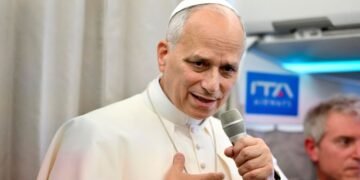
Papal Intervention: Pope Leo articulated that it would be preferable for the U.S. to engage in dialogue or impose economic pressure rather than military action regarding Venezuela. His comments underscore a call for diplomacy over aggression.
- Trump’s Lack of Information: In a cabinet meeting, Trump claimed he was unaware of details surrounding the second strike, indicating reliance on Hegseth for updates.
Full Report
Military Actions and Pentagon Statements
During a cabinet meeting, Hegseth acknowledged the difficulties the U.S. military faces in tracking drug smuggling activities in the Caribbean. He noted that operations to target drug traffickers will persist, emphasizing that decisions are made with due authority. The White House later confirmed that Vice Admiral Frank "Mitch" Bradley acted within his legal rights when ordering the second strike, which took place in early September.
Hegseth’s comments come amidst a complicated backdrop as President Trump considers more aggressive tactics against Maduro’s government, which the U.S. accuses of facilitating drug trafficking. The officials have described the strike as part of a broader strategy to combat narcotics that purportedly make their way to American streets.
Venezuelan Reactions
In response to American military rhetoric, Venezuelan President Maduro labeled U.S. actions as aggression and stated that his citizens are prepared to defend their nation. He criticized the attacks as psychological warfare and insinuated that the U.S. motives include the desire to control Venezuela’s vast oil reserves.
Context & Previous Events
The U.S. has executed a series of military strikes targeting boats allegedly involved in drug trafficking, with reports indicating that over 80 individuals have died as a result of these operations. This ongoing tension is exacerbated by Maduro’s characterization as a dictator by various Western nations, and the Trump administration’s increasing scrutiny on Venezuela’s alleged role in the global drug trade.
Pope Leo’s intervention comes on the heels of his first overseas trip, where he urged U.S. leadership to consider non-military solutions to the Venezuelan crisis, presenting a contrasting view to the current administration’s approach.