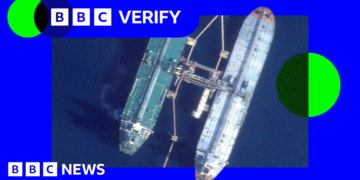

























The Seizure of an Oil Tanker Linked to Sanction Evasion
U.S. forces seized an oil tanker off the coast of Venezuela on Wednesday, a vessel known for evasive maneuvers in tracking its location to disguise illicit activities. The incident underscores ongoing efforts to clamp down on oil smuggling, particularly involving sanctioned nations like Venezuela and Iran.
This seizure highlights a critical juncture in global oil trade, particularly as Venezuela navigates international sanctions aimed at its oil exports. The tanker, identified as the Skipper, raises questions about the effectiveness of existing sanctions and the ongoing challenges posed by clandestine maritime operations.
Key Developments
- U.S. forces conducted a helicopter-launched raid and captured the Skipper, which had last confirmed its location on November 7.
- Public ship tracking data indicates a history of falsified positioning and questionable oil transfers by the vessel.
- The U.S. Treasury first placed sanctions on the ship in 2022, linking it to an international oil smuggling network.
- Expert analysis suggests the Skipper is part of a “dark fleet” operating under the radar to evade sanctions.
- Officials indicate that the vessel was utilized for transporting oil from Venezuela and Iran while disguising its activities.
Full Report
Details of the Seizure
The U.S. confirmed on Wednesday that it had captured the Skipper during a raid near Venezuela’s coast. The operation was corroborated by visuals released by U.S. forces, which matched identifiable features of the tanker with records from ship monitoring service TankerTrackers.com. Before the raid, tracking data showed that the Skipper had not declared its position since early November, raising red flags regarding its activities.
Allegations of Sanction Evasion
The Skipper has a history of disguised operations. Researchers from Kpler have indicated that the vessel falsely reported its location, a tactic known as spoofing. Analysts observed that prior to the seizure, the tanker had engaged in ship-to-ship oil transfers, demonstrating a pattern of misleading movements.
U.S. Attorney General Pam Bondi labeled the vessel a “crude oil tanker used to transport sanctioned oil from Venezuela and Iran.” Sanctions against Venezuela were enforced in 2019, aimed at reshaping the country’s political landscape amid allegations of election manipulation.
Ownership and Broader Implications
The Skipper is reportedly owned by Nigeria-based Thomarose Global Ventures Ltd and registered under Triton Navigation Corp in the Marshall Islands. U.S. officials have previously linked Triton to a Russian oil magnate involved in a smuggling network. These connections raise concerns not only for U.S. security but also for the international oil market as a whole.
Context & Previous Events
The U.S. Treasury Department first imposed sanctions on the Skipper in 2022 when it operated under the name Adisa, implicating it in a broader oil smuggling operation. The vessel has been noted for its evasive maneuvers and connections to other sanctioned entities, contributing to a larger narrative of illicit oil trading, particularly concerning countries such as Venezuela, which holds some of the largest oil reserves globally.