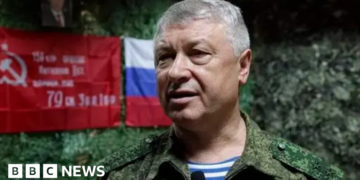























A high-ranking Russian military officer, Lieutenant General Vladimir Alexeyev, was shot multiple times in his apartment building on Friday morning. This violent incident raises concerns about security and the ongoing tensions within the country as authorities work to ascertain the details surrounding the attack.
The shooting of an official of such prominence underscores the precarious situation within Russia, particularly amid rising internal and geopolitical conflicts. As a figure within the military hierarchy, Alexeyev’s injury may have implications for both military operations and general public safety in a country experiencing heightened unrest.
Key Developments
- Lt Gen Vladimir Alexeyev was attacked early Friday morning.
- Details regarding the motivations behind the shooting remain unclear.
- Local authorities are conducting an investigation into the incident.
Full Report
Incident Overview
On Friday morning, Lt Gen Vladimir Alexeyev was shot several times inside his apartment block. Emergency services responded to the scene promptly, and details about his condition following the attack remain unconfirmed. Witnesses reported a sudden barrage of gunshots, creating a chaotic atmosphere in the residential area.
Police Response
Local law enforcement has initiated a thorough investigation into the shooting. They are gathering evidence and witness testimonies to determine the circumstances surrounding the attack. As of now, there have been no arrests related to the incident.
Military Implications
The assault on such a high-ranking official could provoke discussions within military and political circles about safety protocols for top officials. Observers are closely monitoring the fallout from this shooting, as it may influence broader military strategy and public sentiment in the region.
Context & Previous Events
The incident comes amidst a backdrop of increasing tensions in Russia, where several high-profile attacks have raised concerns about internal security. Previous cases of violence involving military officials have prompted calls for enhanced protective measures and raised questions about the methods used to safeguard key individuals within the government and military.