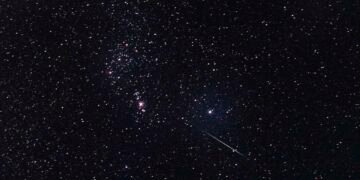























Stargazers Prepare for the Geminids Meteor Shower This Weekend
As December rolls in, skywatchers across the globe are gearing up for the annual Geminids meteor shower, expected to peak this Saturday evening. With meteors zipping across the night sky at a breathtaking rate of up to 120 per hour, this celestial event is not just a spectacular visual treat but also an opportunity for astronomers to deepen their understanding of an unusual cosmic source.
Why It Matters
The Geminids meteor shower is notable for its unique origins; unlike most meteor showers that result from comets, the Geminids originate from Asteroid 3200 Phaethon. This distinction offers an intriguing glimpse into the mysteries of our solar system, as scientists categorize Phaethon as potentially a "dead comet" or a "rock comet." Understanding such phenomena can enhance our knowledge of celestial bodies and their interactions within the cosmos.
Key Developments
- The peak of the Geminids meteor shower is set for Saturday evening, with the best visibility from the Northern Hemisphere.
- The phenomenon is expected to produce a dazzling display of meteors, with an impressive rate of 120 meteors per hour.
- Observers are encouraged to lie flat on their backs with their feet facing south for optimal viewing.
- The show is anticipated to last until dawn, allowing ample time for interested viewers.
Full Report
What to Expect
Stargazers looking to witness the Geminids should prepare for a stunning night. The meteor shower has long captivated amateur and professional astronomers alike, illuminating the sky with its yellow streaks. To experience this cosmic spectacle, viewers should find a dark area away from city lights.
Viewing Conditions
NASA advises waiting approximately 30 minutes in darkness to allow one’s eyes to adjust to the night. This adjustment will enhance visibility, enabling observers to catch the beautiful flashes of light across the sky.
Origins of the Geminids
Unlike typical meteor showers, which are remnants of comets, the Geminids originate from Asteroid 3200 Phaethon. This asteroid, measuring about 3.17 miles in diameter, presents a unique case for scientists, who are still exploring its nature. The classification of Phaethon as possibly being a "dead comet" or a "rock comet" adds layers of intrigue to this already fascinating event.
Context & Previous Events
Meteor showers have historically captivated audiences, often tied to the path of comets. The Geminids, in particular, have gained recognition for their vibrant displays in December, standing out from others due to their peculiar origins linked to an asteroid rather than a comet. The annual occurrence serves as a reminder of the dynamic and ever-evolving nature of scientific discovery as researchers continue to unlock the secrets of our solar system.






