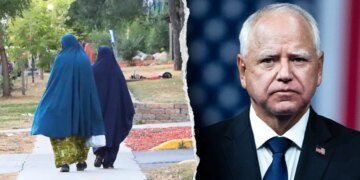























Minnesota Fraud Scandal Puts Somali Community in the Spotlight
A significant fraud scandal in Minnesota has exposed the diversion of hundreds of millions of dollars from programs designed to support vulnerable populations, including COVID relief, housing, and autism services. This situation has reignited questions about the integrity of financial oversight in the state and the implications for the Somali community, as well as its possible connections to extremist organizations.
Why It Matters
The unfolding investigations could reshape Minnesota’s governance and public trust. Legislative inquiries and heightened scrutiny on oversight failures bring to light critical gaps in protecting taxpayer funds. Additionally, the involvement of Somali-run nonprofits raises uncomfortable discussions regarding assimilation and the challenges faced by immigrant communities.
Key Developments
- Federal investigations have uncovered a fraud scheme involving approximately $1 billion in welfare funds.
- The "Feeding Our Future" initiative has been identified as primarily responsible for funneling $300 million away from child-nutrition programs during the pandemic.
- Numerous defendants, including those linked to the Somali community, are facing charges related to various fraudulent schemes.
- Criticism of Governor Tim Walz’s administration highlights failures in oversight and a reluctance to investigate ethnic nonprofits thoroughly.
Full Report
Overview of the Fraud Scandal
Minnesota’s fraud scandal revolves around the "Feeding Our Future" case, characterized by federal prosecutors as the most extensive pandemic relief fraud in U.S. history. They allege that around $300 million intended for low-income children’s meals was misappropriated. Aimee Bock, the initiative’s founder, alongside local Somali business owners, is implicated, while evidence suggests the misappropriation of funds to luxury purchases.
The complexities of the case deepen with claims that funds were funneled to various fraudulent activities, including housing and autism service programs, amounting to tens of millions siphoned from Medicaid. According to former Acting U.S. Attorney Joseph Thompson, these scams have been described as "schemes stacked upon schemes." As of recent reports, at least 78 individuals face prosecution.
Political Repercussions and Community Impact
House Majority Whip Tom Emmer criticized the Walz administration for its oversight failures, labeling the schemers as a "Somali criminal enterprise crew." He emphasized the scandal as a failure of governmental leadership rather than a reflection solely on the Somali community. State Sen. Jordan Rasmusson echoed this sentiment, indicating that political correctness may have prevented authorities from addressing obvious fraud.
The revelations have also intensified scrutiny of the Somali community amid broader concerns related to crime and potential ties to terrorist organizations like Al-Shabaab. Rasmusson expressed apprehensions regarding the misuse of stolen funds, suggesting connections to overseas funding of terrorist activities.
Violence and Public Safety Concerns
The scandal’s timing coincides with a series of violent incidents linked to the Somali community in Minnesota, leading to heightened public unease. Recent cases involving sexual assault and homicide have sparked outrage and intensified discussions surrounding safety and community relations.
Despite these troubling incidents, community leaders assert that the actions of a few individuals should not define the Somali population as a whole. They emphasize that the majority are hardworking and law-abiding, with their contributions to society overshadowing the misdeeds of a minority.
Context & Previous Events
Previous issues surrounding Somali youth radicalization in the late 2000s, when a group of young men left Minnesota to join extremist groups abroad, serve as a reminder of the complex challenges facing the community. These past incidents have influenced perceptions and highlight the importance of addressing emerging issues with sensitivity and a focus on community support rather than stigmatization.
The ongoing investigations will likely continue to evolve, with state and federal authorities under pressure to ensure accountability and restore public trust. Governor Walz’s administration now faces calls for improved oversight measures to prevent similar fraud from happening in the future.






