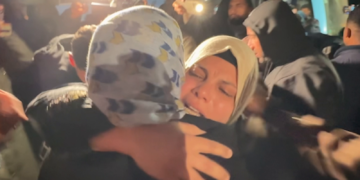























Wave of Emotion as First Gazans Return Home since Rafah Crossing Reopened
Thousands of families are grappling with the emotional complexities of returning to Gaza as the Rafah Crossing—connecting Egypt and Gaza—reopens amid ongoing humanitarian struggles. The returnees face daunting realities, yet many express a deep need to reunite with loved ones and reclaim their homeland.
Why It Matters
The reopening of the Rafah Crossing is a pivotal moment for the approximate 40,000 individuals who fled Gaza due to the recent conflict. It serves as a symbol of hope and resilience amidst devastation. However, the journey back is fraught with danger and uncertainty, underscoring the fragile nature of life in a war-torn area.
Key Developments
- The Rafah Crossing reopened for the first time since the conflict began, enabling some residents to return home.
- Emotional reunions were documented by Gazan journalists, despite international media restrictions.
- Many returnees expressed joy juxtaposed with the somber realities of returning to ruined infrastructures.
- Recent airstrikes resulted in casualties, including civilians, complicating the environment for returning families.
- Israeli military actions continue to target perceived threats, raising concerns about safety for returning residents.
Full Report
First Steps Home
Upon the reopening of the Rafah Crossing, the first groups of returnees were greeted with emotional scenes as they disembarked from buses bearing the United Nations’ markings. For some, this was their first opportunity to return to a city devastated by conflict. The overwhelming sense of longing for home, family, and familiar surroundings was palpable among those arriving from Egypt. Kariza Bahloul, 48, articulated this sentiment, expressing her joy at reuniting with her loved ones: "The homeland feeling is the most important."
The Longing for Home
Amati Othman Omran, who had accompanied her husband for medical treatment in Egypt, reflected on the emotional toll of separation. She joyfully recounted her return, stating, "I thank God that I have come back to Gaza. I smelled its scent and its air from far away." Similarly, Huda Abu Abed, who left Gaza under traumatic circumstances, conveyed her joy despite the devastation awaiting her: "If I sit under a tree, it is better than being away from home. I am happy to get back to a tent, because that tent will contain my family."
Ongoing Violence
Just hours after the reunions took place, new airstrikes in Gaza resulted in the deaths of over 20 people, including a paramedic. The Israeli military indicated that its actions were targeted at militants, expressing regret for any civilians caught in the crossfire. However, their follow-up statement accusing Hamas of utilizing ambulances to transport militants diluted the tone of their apology, illustrating the complicated and perilous reality for those returning to Gaza.
Context & Previous Events
More than 40,000 people had previously fled Gaza during the ongoing conflict. Amid the turmoil, Gazan journalists have provided essential reports from within the enclave, highlighting the ongoing humanitarian crisis and the emotional struggles faced by those impacted. The recent reopening of Rafah marks a significant logistical development in the landscape of the Gaza conflict, providing a critical yet perilous pathway for returnees.