






















Federal Jury Weighs Murder-for-Hire Case Against Chicago Man
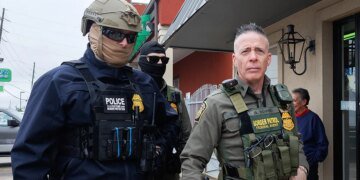
A federal jury is currently deliberating the case of Juan Espinoza Martinez, who is accused of soliciting the murder of a senior U.S. Border Patrol official through online messages. The outcome will hinge on whether the messages exchanged on Snapchat are deemed part of a genuine plot or merely careless online discourse.
Why It Matters
This case, which involves a federal law enforcement officer and digital communications, raises critical questions regarding the extent of online threats and the lines between free speech and criminal intent. The prosecution’s success could reinforce legal boundaries on online conduct, especially in politically charged environments, while a defense victory might highlight concerns about overreach in interpreting digital communications.
Key Developments
- The defense concluded its arguments on Wednesday, with closing arguments set to follow on Thursday.
- Espinoza Martinez allegedly sent Snapchat messages offering monetary rewards for information on the whereabouts of Border Patrol Commander Greg Bovino.
- Prosecutors contend that the messages indicate a clear intent to incite violence against a federal official.
- Defense attorneys argue that the messages were misinterpreted and reflect local gossip rather than a real threat.
- If convicted, Espinoza Martinez could face up to ten years in federal prison.
Full Report
The trial centers on the allegations that Juan Espinoza Martinez, 37, sought information to target Commander Greg Bovino, sending messages that included offers of $2,000 for information and $10,000 “if you take him down.” Screenshots of these messages, which included a photograph of Bovino, were presented to the jury.
Assistant U.S. Attorney Minje Shin stressed in opening statements that the messages went beyond political rhetoric, evidencing a calculated attempt to solicit violence against law enforcement. Defense attorneys countered by framing the messages as unsubstantiated rumors and idle chatter rather than a serious solicitation for murder.
Testimonies from key witnesses like Adrian Jimenez, a construction company owner who reported the messages to authorities, further complicated the case. Jimenez, who has a felony past, acknowledged taking the messages seriously, though defense lawyers challenged the credibility of his interpretation.
In support of the defense, Espinoza Martinez’s brother testified that he considered the Snapchat communications to be a joke. This sentiment echoes a broader discussion about how informal digital communication may be misread in legal contexts.
Espinoza Martinez, who has lived in the U.S. for decades without legal status, denied any intent to threaten violence and claimed to be a hardworking union laborer in recorded testimonies shown to jurors.
Context & Previous Events
The case originated from an investigation started in October, prompted by claims from a confidential source that a hit had been placed on Border Patrol Commander Bovino. Espinoza Martinez was arrested on October 6 in Burr Ridge, Illinois, as part of the federal investigation.
Post-arrest statements from the Department of Homeland Security condemned the alleged solicitation of violence against law enforcement, emphasizing the importance of protecting public safety and the integrity of federal officials.






