























FBI Charges Post-Doctoral Researcher with Smuggling E. Coli into the U.S.
The FBI has charged a post-doctoral researcher with smuggling Escherichia coli (E. coli) into the United States and providing false information about the materials. This case raises alarms about the security risks posed by foreign researchers operating within U.S. universities.
Why It Matters
The smuggling incident underscores ongoing concerns regarding foreign nationals exploiting academic privileges to bypass U.S. regulations. The potential risks associated with importing biological materials can have severe implications for national security and agriculture, prompting urgent calls for universities to enhance oversight over research protocols.
Key Developments
- FBI Director Kash Patel announced the arrest of Youhuang Xiang, a post-doctoral researcher on a visa, for smuggling E. coli.
- Patel emphasized the need for universities to enforce strict regulations for importing biological materials.
- Earlier cases involving foreign researchers smuggling biological materials have surfaced, indicating a troubling trend.
- Patel commended the FBI’s Indianapolis and Chicago field offices and U.S. Customs and Border Protection for their roles in the investigation.
Full Report
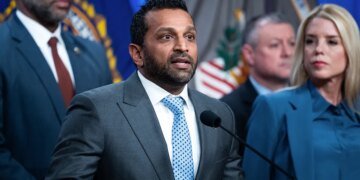
FBI Director Kash Patel revealed on Friday that Youhuang Xiang, a post-doctoral researcher in the United States on a visa, faces charges for allegedly smuggling E. coli and for making false statements regarding the matter. Patel did not disclose the name of the university associated with the case, but expressed concerns about researchers from China misusing their positions.
Patel described the incident as a significant threat, stating that if left unchecked, E. coli and similar biological agents could lead to widespread agricultural diseases and considerable economic losses. He called upon universities to be vigilant and ensure that their researchers are informed about the correct pathways for obtaining licenses necessary for the import and export of approved biological materials.
This case is part of a broader pattern since January 2025, when the Trump administration intensified scrutiny of foreign nationals in academic settings. In November, three Chinese nationals were charged with a similar crime for attempting to introduce biological materials related to roundworms into the United States while working at the University of Michigan.
In addition to Xiang’s case, it was revealed that these individuals, identified as Xu Bai, Fengfan Zhang, and Zhiyong Zhang, worked under a J-1 visa academic exchange program and received concealed shipments from a colleague in China. Attorney General Pam Bondi characterized such activities as serious crimes that jeopardize national and agricultural security.
Context & Previous Events
The growing concern over biosecurity and foreign researchers was accentuated by earlier incidents. A Chinese student was found to have received Fusarium graminearum hidden within a textbook, while another case involved Kseniia Petrova, a Harvard researcher detained for allegedly smuggling frog embryos. These incidents highlight the critical need for stringent regulatory frameworks to safeguard against potential threats posed by foreign nationals in U.S. laboratories.