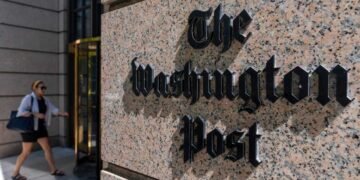























FBI Searches Home of Washington Post Reporter Amid Leak Investigation
WASHINGTON — In a significant escalation concerning press freedoms, FBI agents conducted a search of the home of Washington Post reporter Hannah Natanson on Wednesday. The investigation centers on a Pentagon contractor allegedly involved in the mishandling of classified information.
Why It Matters
This incident raises critical concerns about journalistic independence and press protections in the U.S. As investigators increasingly target journalists in leak probes, questions arise regarding the balance between national security and the First Amendment rights that protect the freedom of the press. The ramifications for investigative journalism, particularly in holding government entities accountable, could be profound.
Key Developments
- The FBI seized Natanson’s phone, two laptops, and a Garmin watch during the search of her Virginia residence.
- Matt Murray, executive editor of The Washington Post, confirmed that neither Natanson nor the newspaper is a target of the ongoing investigation.
- Attorney General Pam Bondi stated that the search was at the request of the Defense Department, involving a government contractor accused of retaining classified materials.
- Aurelio Perez-Lugones, a contractor with a top-secret clearance, was charged earlier this month with unlawful retention of national defense information.
- First Amendment advocacy groups have expressed alarm over the search, warning it could hinder investigative journalism.
Full Report
Search Details
The FBI’s search was part of a broader investigation into Aurelio Perez-Lugones, a system engineer accused of taking classified documents home. Authorities discovered marked "SECRET" materials in his Maryland home, including classified reports found in unexpected places, such as a lunchbox. He has not been charged with leaking information.
Response from The Washington Post
Murray’s communication to colleagues expressed concern about the implications of the search. He emphasized the newspaper’s longstanding commitment to protecting press freedoms, stating that the situation raises serious questions regarding constitutional protections for journalists.
Government Officials’ Stance
White House press secretary Karoline Leavitt condemned the leaking of classified information, asserting that it jeopardizes national security. President Trump has adopted a stringent stance against such leaks, echoing the sentiment that unauthorized disclosures must be met with firm action.
Legal Framework and Changes
The Justice Department has periodically revised its protocols concerning media leaks. Noteworthy is a recent change by Bondi, who rescinded recommendations made during the Biden administration, which had aimed to protect journalists from having their records covertly accessed. Current policies now allow for more aggressive investigative measures, including the use of subpoenas and warrants against news media.
Context & Previous Events
Bondi’s current approach contrasts sharply with her previously expressed reluctance to investigate a separate incident involving senior Trump administration officials inadvertently sharing sensitive information in a chat application last spring. Despite concerns from current and former officials regarding the classified nature of that information, she indicated that it was treated as an isolated mistake.






