






















The Real Sopranos: How the FBI Dismantled a New Jersey Mafia Family
A decades-long pursuit by the FBI to infiltrate the notorious DeCavalcante crime family culminated in a significant arrest in 1999, shedding light on the operation that inspired HBO’s series "The Sopranos." Retired FBI agent Séamus McElearney played a crucial role in flipping a key mob figure, initiating a series of events that would ultimately dismantle this real-life mafia organization.
Why It Matters
The DeCavalcante crime family was a prominent player in organized crime in New Jersey, and its unraveling marked a pivotal moment in the FBI’s battle against mafia networks. The cooperation of Anthony Capo, a made member of the family, not only disrupted their operations but also challenged the longstanding codes of silence within organized crime. This case emphasizes the ongoing relevance of law enforcement efforts to combat organized crime, particularly as members consider cooperation with authorities.
Key Developments
- Retired FBI agent Séamus McElearney details his experience infiltrating the DeCavalcante crime family in his new book, "Flipping Capo: How the FBI Dismantled the Real Sopranos."
- The investigation gained momentum in 1999 due to a proactive witness who recorded nearly 300 conversations, exposing the family’s inner workings.
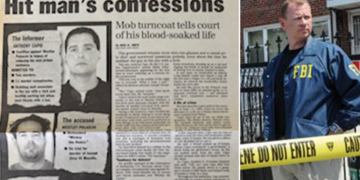
- McElearney led the arrest of mob soldier Anthony Capo, whose subsequent cooperation resulted in the first-ever collaboration of a made member in the DeCavalcante family.
- Over the following years, 71 convictions were secured, and the structured hierarchy of the mafia was extensively documented.
Full Report
The Investigation Begins
McElearney joined the FBI’s Organized Crime Branch in 1998, where he focused on both the Bonanno and DeCavalcante families. The case took a critical turn with two events: a robbery tied to the World Trade Center and the murder of a DeCavalcante associate in Brooklyn, marking the beginning of a complicated investigation.
The Role of a Proactive Witness
A key figure in the investigation was a witness who contacted the FBI and offered to provide recordings of mob communications. McElearney emphasized the need to protect this informant while maintaining his cover as a criminal. The witness led agents to uncover the family’s Brooklyn faction through hundreds of recordings.
The Arrest of Anthony Capo
The arrest of Anthony Capo, known for his violent reputation and involvement in major crimes, was pivotal. McElearney took on the leadership of the arrest team, relying on thorough preparation rather than intimidation. During the arrest, he ensured that Capo’s health needs were met, showcasing a respectful approach to the dangerous situation.
A Historic Cooperation
Following his arrest, Capo’s lawyer contacted the FBI to indicate his client’s willingness to cooperate—an unexpected turn that fundamentally altered the dynamic within the DeCavalcante family. Capo’s decision to testify led to multiple figures cooperating, effectively breaking down the longstanding omertà, or code of silence, upheld by the mafia.
Legal Outcomes
The investigation’s repercussions were significant: 71 convictions were secured, including the individuals involved in 11 murders. This extensive legal action represented a rare opportunity to bring the entire structure of a mafia organization to the witness stand, coinciding with the pop culture phenomenon of "The Sopranos."
Ongoing Threats
As the investigation unfolded, threats against Capo and his family emerged from within the organization. Such violence underscored the ongoing dangers faced by those who cooperated with authorities, manifesting a climate of escalating paranoia within the crime family.
Context & Previous Events
The DeCavalcante crime family had long been recognized as a significant entity in the landscape of organized crime, paralleling the fictional world depicted in "The Sopranos." Despite years of investigation, it was not until the late 1990s that the FBI achieved a substantial breakthrough with the cooperation of Capo, allowing them to secure various convictions and dismantle the family’s operations comprehensively.
Through these efforts, the FBI remains watchful, acknowledging that while the mafia may be weaker today, it has a long history and could potentially regrow if left unchecked.






