






















New Congressional Hearing on Jan. 6 Attack Raises Controversial Claims and Conspiracy Theories
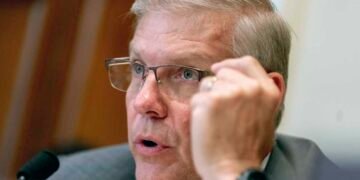
The first public hearing of a new Republican-led congressional subcommittee focused on the January 6, 2021, Capitol attack took place this week, bringing forth a mixture of bipartisan criticism and controversial claims. Led by Rep. Barry Loudermilk (R-Ga.), the hearing has triggered renewed discussions on the events of that day and the administration’s response, showcasing a broader GOP effort to reshape the narrative surrounding the Capitol riot.
Why It Matters
This hearing not only revisits one of the most significant events in recent U.S. history but also reflects ongoing tensions between Republicans and Democrats regarding accountability and media narratives surrounding the insurrection. As differing perspectives and conspiracy theories emerge, the implications for public perception and legal accountability remain profound.
Key Developments
-
Hearing Overview: The subcommittee’s session primarily addressed the investigation into the pipe bombs found outside the Democratic and Republican National Committee headquarters during the Capitol riot.
-
GOP Claims: Several GOP lawmakers utilized the hearing to criticize the Biden administration while promoting various conspiracy theories.
-
Arrest Announcement: During the hearing, the former FBI Deputy Director Dan Bongino shifted his narrative following the arrest of a suspect implicated in the pipe bomb case.
-
Disputed Facts: Rep. Clay Higgins (R-La.) asserted that the Biden FBI had undercover agents involved in the January 6 events—a claim challenged by a Department of Justice report.
- Response to Riots: Loudermilk faced criticism for misrepresenting the timeline of requests made for National Guard assistance during the Capitol riots.
Full Report
Hearing Focus
The session, held by the congressional subcommittee on the Capitol attack, emphasized the investigation into two pipe bombs discovered on January 6, 2021. These devices were found outside the headquarters of both the Democratic National Committee and the Republican National Committee, diverting law enforcement efforts at a critical time. A notable attendee was Stewart Rhodes, a convicted leader of the Oath Keepers, who did not receive a full pardon from Donald Trump.
Statements from Lawmakers
The hearing featured contentious statements from various lawmakers. Rep. Clay Higgins claimed that the FBI conspired to entrap Trump supporters on January 6, despite factual evidence indicating that the FBI was under Trump’s administration at the time of the attack. The Department of Justice inspector general’s report contradicted Higgins, revealing no evidence supporting claims of undercover agents.
In response to questions about Trump’s inaction during the riot, Loudermilk suggested that the president could not directly call in the National Guard without a request from the legislative branch. However, timelines show that Capitol Police had sought assistance prior to the situation escalating.
Public Reactions and Criticism
Several lawmakers criticized the testimony of police officers who previously spoke before the Jan. 6 select committee. Critics from the GOP accused these officers of political bias, although testimonies from the officers indicated a more complex political landscape, including past support for Trump from one of the officers.
Context & Previous Events
This hearing comes nearly two years after Trump issued mass pardons for many involved in the January 6 incident. Former Deputy Director Dan Bongino’s narrative surrounding the pipe bomb case has shifted significantly, transitioning from speculation about the involvement of "anti-Trump insiders" to confirming an arrest in the case.
Following years of investigation, the pipe bombing case is now progressing through the courts, marking a shift from political rhetoric to formal legal proceedings. This evolves amidst ongoing debates about accountability for the events of January 6 and the broader implications for American democracy.






