























Explore the Great Wall of China: A Journey Beyond the Tourist Paths
Visitors to China have long been captivated by the grandeur of the Great Wall, a historical marvel that stretches over 21,000 kilometers. Beyond the well-trodden tourist trails, lesser-known sections of the wall offer an authentic glimpse into China’s rich heritage and breathtaking landscapes. As travel enthusiasts seek unique experiences, these hidden gems present an opportunity to engage with the country’s history in a more intimate setting.
Why It Matters
As travel resumes globally, leading travelers are increasingly looking for destinations that go beyond the mainstream. Exploring less commercialized sections of the Great Wall not only supports local economies but also fosters deeper cultural appreciation and environmental awareness. These secluded areas provide stunning views and historical context, enriching visitors’ experiences and enhancing their understanding of Chinese culture.
Key Developments
-
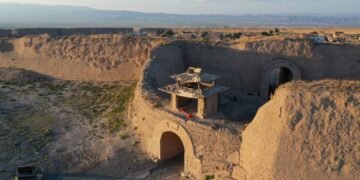
Turtle City: Located in Gansu province, this well-preserved fortress city was built during the Ming Dynasty and offers unique architecture that resembles a turtle. Visitors can explore local specialties at nearby markets.
-
Mutianyu and Jiankou: These two adjacent sections of the Great Wall in Beijing are popular for their scenic beauty. Mutianyu is known for its restored pathways and accessible cable car, while Jiankou presents a more rugged, adventurous hiking experience.
-
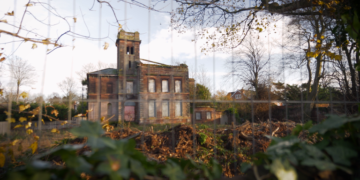
Bataizi Village: Nestled within the Motianling section of the wall, visitors can view the ruins of a 19th-century Gothic church, alongside a backdrop of unspoiled nature. Nearby Datong offers UNESCO heritage sites for added exploration.
-
Laoniuwan Fortress: Situated where the Great Wall meets the Yellow River, a boat ride here allows travelers to appreciate the stunning landscapes and learn about the region’s historical significance.
-
Simatai: Known for its challenging terrain, Simatai boasts the Fairy Tower, which offers spectacular vistas and a rewarding hiking experience for outdoor enthusiasts.
- Dushikou: Located in Hebei province, this section features unique stone construction and offers the chance for agrarian experiences with local culinary delights.
Full Report
Turtle City
The Turtle City, established in 1608, is a standout among the lesser-known sections of the Great Wall. Positioned in Jingtai County, this fortified garrison was strategically important during its peak, housing a significant number of troops. The town’s unique layout, which resembles a turtle, adds historical intrigue. Visitors are advised to stay in nearby lodgings for easy access to this fascinating site. Local dishes like five Buddha tofu and cold mixed noodles are recommended for a culinary adventure.
Mutianyu and Jiankou
Located less than 90 minutes from Beijing, Mutianyu is often referred to as the “tourist wall” due to its enhancements and commercial offerings. In contrast, Jiankou, known as the “wild wall,” provides a more rugged hiking option. Visitors looking for adventure should be mindful of recent safety restrictions but can still revel in the breathtaking views that both sections offer.
Bataizi Village
Bataizi, located near the Great Wall, is steeped in historical significance, showcasing the remains of a Gothic church built under German influence. A visit to local attractions like the Yungang Grottoes and Hengshan Hanging Temple enhances the experience, particularly in late summer when the views are especially vibrant.
Laoniuwan Fortress
This fortress exemplifies a rare intersection between the Great Wall and the Yellow River. The Laoniuwan area highlights the engineering prowess of Ancient Chinese builders against a stunning natural landscape. Boat rides in the gorge provide a unique way to experience the surroundings.
Simatai
Construction on Simatai began in 1373, and it remains popular among adventurous hikers despite its challenging access. The Fairy Tower stands as one of its most iconic features, offering incredible views when approached from Wangjing Tower.
Dushikou
Constructed during the reign of Emperor Jiajing, this area features a distinctive stone wall that sets it apart from other sections made of bricks. Dushikou’s natural beauty peaks in the summer months, making it an attractive destination for summertime visits.
Context & Previous Events
The Great Wall’s origins trace back over 2,500 years, evolving through various dynasties until construction ceased in the 17th century. With its complex distribution, the wall extends through diverse geographical regions, influencing cultural exchanges throughout history. Many sections are now endangered and require visitor support to promote preservation efforts.
As travel enthusiasts seek unique experiences, these lesser-known parts of the Great Wall invite a new generation of explorers to appreciate China’s intricate history and natural beauty.