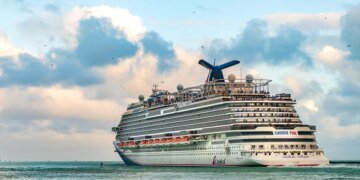























The cruise industry, once seen as a safe getaway for vacationers, is now grappling with alarming incidents of violence and crime aboard its ships, raising concerns among potential travelers. The unique circumstances of cruise life—seemingly isolated from the legal frameworks of both international waters and port jurisdictions—have made it a fertile ground for troubling events.
With cases like the homicide of 18-year-old Anna Kepner and the unsolved disappearances of passengers, experts warn that a combination of relaxed inhibitions and inconsistent crime reporting may contribute to this unsettling trend. The stakes are high; as public perception swings from safety to vulnerability, the industry’s image—and its bottom line—hangs in the balance.
Key Developments
- Experts indicate that cruise passengers are at risk due to overlapping legal jurisdictions, often complicating the pursuit of justice in violent incidents.
- Recent high-profile cases include the mysterious death of Anna Kepner and the wrongful death lawsuit filed by Michael Virgil’s family, alleging he was over-served alcohol leading to his death onboard.
- Chicago-based attorney Andrew Stoltmann highlights the complexity of maritime law, asserting that passengers may mistakenly believe they are protected by familiar legal standards.
Full Report
Violent Incidents on the Rise
The cruise sector’s reputation faces challenges following several violent incidents, including the recent death of Anna Kepner, discovered deceased inside her cabin on the Carnival Horizon cruise ship. Her case, which is being treated as a homicide, has drawn significant media attention and prompted the FBI to consider potential suspects, including her family members.
Complexity of Maritime Law
Legal complexities play a significant role in how crimes aboard cruise ships are handled. Dr. Carole Lieberman, a forensic psychiatrist, underscores the captive nature of passengers on ships, likening their situation to that of subway riders. Attorney Andrew Stoltmann elaborates that the applicable laws fluctuate based on the ship’s location and the flag it sails under, complicating the prosecution of crimes.
Long-standing Concerns
The perceived safety of cruise ships stands in stark contrast to the increasing reports of crime. Stoltmann emphasizes that the assumption of safety often leads to lax security measures, as families believe the ships’ onboard police forces will protect them. Unfortunately, these assumptions may not be grounded in reality, creating an atmosphere where crime can flourish.
Recent Legal Cases
In December 2024, Michael Virgil died aboard a Royal Caribbean ship after allegedly being over-served alcohol. His family has filed a wrongful death lawsuit against the cruise line, alleging negligence and excessive serving practices, which led to his aggression and subsequent death following an altercation with crew members.
Unresolved Disappearances
The unsolved case of Amy Bradley, who vanished in 1998 from a Royal Caribbean International cruise, remains a haunting reminder of the dangers at sea. Despite extensive searches and numerous theories about her disappearance, no suspects have ever been identified, illustrating the unique challenges law enforcement faces in maritime settings.
Context & Previous Events
The cruise industry has faced scrutiny from both the media and experts for decades over safety issues tied to crime. Historical cases include Amy Bradley’s mysterious disappearance and the tragic fate of Kristy Manzanares, murdered by her husband on an Alaskan cruise in 2017, lending credence to growing concerns about safety aboard cruise ships.






