
























Scrutiny Intensifies Over Afghan Evacuee Vetting Following Shooting Incident
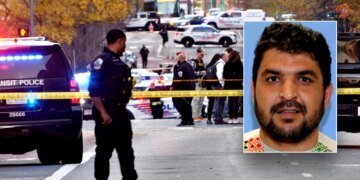
The recent ambush shooting of two National Guard members near the White House has raised urgent questions about the vetting processes for Afghan evacuees. Experts, including former FBI special agent Nicole Parker, have highlighted concerns that the hasty evacuation during the U.S. withdrawal in 2021 lacked proper scrutiny, potentially allowing unsafe individuals into the country.
Why It Matters
The implications of this incident extend beyond public safety, raising critical national security concerns. As tens of thousands of Afghans were admitted to the U.S. amid a chaotic withdrawal and Taliban takeover, the apparent lapses in the vetting process point to systemic issues that could compromise citizens’ safety and the integrity of immigration protocols.
Key Developments
- Two National Guard members were shot near the White House; their condition remains critical.
- Nicole Parker claims the vetting process during the 2021 withdrawal was poorly managed, likening it to a "free-for-all."
- A whistleblower revealed that 324 evacuees entered the U.S. with derogatory information.
- Reports from the Department of Homeland Security’s (DHS) Office of Inspector General indicate that the vetting of Afghan evacuees was inadequate, resulting in potential national security risks.
- Law enforcement officials have confirmed a link between lax vetting and the recent shooting incident, prompting calls for an examination of the vetting protocols used during the evacuation.
Full Report
The Incident
The ambush shooting, which took place near the nation’s capital, underscores the dangerous consequences of insufficient vetting. Parker noted that the screening processes employed by various agencies were continuously overridden, particularly by the State Department, which aimed to expedite the entry of Afghans in distress.
"There were individuals that were not being recommended to come to the United States, yet they were being overridden by the Biden State Department," she stated, emphasizing the chaos that characterized the evacuation.
Process Lapses
During the evacuation operation, Afghan evacuees were temporarily stationed at staging sites dubbed "lily pads" in multiple countries. However, an inspector general’s report indicated these sites were understaffed, leading to major documentation gaps and a hurried vetting that compromised the screening process.
Jason Pack from Media Rep Global Strategies acknowledged the complexities involved: "Records were scattered, databases were incomplete, and screening teams were processing people at a pace that made perfect vetting impossible."
Government Accountability
U.S. Attorney for the District of Columbia, Jeanine Pirro, criticized the vetting process, particularly the case of suspect Rahmanullah Lakanwal, who had entered the U.S. during Operation Allies Welcome. "Whatever their cause or motive may be, we should not have to live in fear in the nation’s capital," Pirro remarked, referencing the lax procedures that allowed individuals like Lakanwal to enter.
FBI Director Kash Patel echoed her concerns, attributing the ongoing national security threats to the flawed withdrawal strategy and vetting failures.
Ongoing Investigations
A Pentagon report from February 2022 revealed that numerous evacuees had security concerns. Moreover, Senator Josh Hawley disclosed that U.S. officials had been instructed to prioritize filling flights over thorough vetting—a practice that underscored the urgency of the evacuation over security protocols.
In response to public concern, Homeland Security Secretary Alejandro Mayorkas previously assured that the majority of evacuees were screened before boarding flights. However, he later conceded that he could not guarantee that all individuals had met that standard.
Context & Previous Events
In August 2021, amidst a rapid Taliban takeover of Afghanistan, the U.S. executed a historic evacuation of over 70,000 Afghans. The hurried nature of this operation sparked debates about national security, especially concerning protocols regarding individuals with derogatory information.
The controversy surrounding the vetting processes has continued to escalate, especially following incidents involving individuals who entered the U.S. during this period. As investigations unfold, the implications of these lapses are becoming increasingly apparent in light of recent violent incidents.