
























Final Escapee from Mississippi Monkey Crash Rescued and Sent to Sanctuary
The last of the monkeys that escaped following a truck crash in Mississippi has been rescued and will now reside at an animal sanctuary in New Jersey. This incident, which occurred on October 28, raises important ethical questions about animal testing and the treatment of research animals.
Why It Matters
The incident not only highlights the dangers associated with transporting primates for biomedical research but also ignites ongoing debates regarding the ethical implications of animal experimentation. With only one of the escapees, named Forrest, surviving the ordeal, advocacy groups are pushing for reforms and a reevaluation of how research animals are treated.
Key Developments
- The truck carrying 21 rhesus macaque monkeys overturned while transporting them to a research facility.
- Following the crash, five monkeys were euthanized by authorities, and 13 were found caged, while three others escaped.
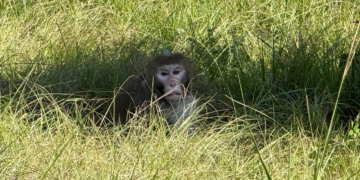
- Forrest, the last escapee, was found after a week on the run and has been welcomed to Popcorn Park Animal Refuge in New Jersey.
- Animal welfare advocates are calling for a halt to research involving primates, emphasizing the need for ethical reforms.
Full Report
Monkey Recovery
The Popcorn Park Animal Refuge announced the safe recovery of Forrest, the final monkey from the Mississippi incident. After spending time on the run, he was found without a name, only identified by a tattoo number "NI 62." The refuge stated, “Forrest’s life changed forever after a frightening highway accident.” His transition to sanctuary life has been positive, showing signs of acclimatization, including exploring new foods and vocalizing.
Reaction from Animal Rights Groups
Lisa Jones-Engel, a senior science advisor for People for the Ethical Treatment of Animals (PETA), characterized Forrest’s survival as "a rare thread of mercy in a system built on violence." She urged federal agencies to prevent such tragedies by ending the use of primates in research altogether. PETA’s Kathy Guillermo celebrated the recent decision by the CDC to phase out funding for monkey experiments, a significant step towards animal welfare.
Transportation and Safety Issues
The monkeys involved were being transported from the Tulane National Primate Research Center, a facility funded by the National Institutes of Health (NIH). Tulane clarified that it did not own the monkeys or oversee their transportation. Following the crash, local residents shot two escapees within a week.
Context & Previous Events
This incident has raised alarms about the safety protocols in transporting research animals, especially given the distressing outcomes, including the shooting of several monkeys. PETA and the nonprofit White Coat Waste Project have called on the CDC to halt NIH funding linked to primate testing. The CDC has since agreed to phase out experiments involving monkeys, a decision welcomed by animal rights advocates.