






















Thirteen Political Prisoners Released from Eritrean Military Prison After 18 Years
Thirteen individuals, including notable figures and political prisoners, have been freed from Mai Serwa prison in Eritrea after enduring over 18 years of detention without trial. This significant development sheds light on the ongoing human rights concerns surrounding the Eritrean government’s treatment of detainees.
Why It Matters
The release of these prisoners, many of whom have faced dire conditions, raises critical questions about the state of human rights in Eritrea, one of the most repressive regimes globally. The conditions in which they were held highlight the broader issues of political repression, lack of due process, and systemic violations that have drawn international condemnation.
Key Developments
- Thirteen detainees were released from Mai Serwa prison after being held since October 2007.
- The group includes prominent individuals such as Zeragaber Gebrehiwot, a 69-year-old Olympian, and several businessmen.
- Families were prohibited from visiting their loved ones throughout the lengthy detention period.
- The Eritrean government has not issued any official statement regarding the releases.
- Human rights organizations continue to accuse the Eritrean government of severe human rights abuses.
Full Report
Background of the Detention
The prisoners were arrested following an assassination attempt on a high-ranking officer in President Isaias Afwerki’s administration. Initially, about 30 individuals were detained, with some released over the years, leaving nearly 20 still in custody until this latest announcement.
Notable Releases
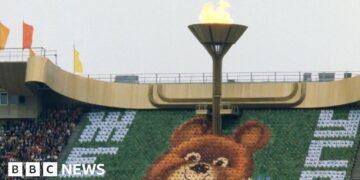
Among those released is Zeragaber Gebrehiwot, who represented Eritrea in the 1980 Moscow Olympics when the country was still part of Ethiopia. The release also includes prominent businessmen Tesfalem Mengsteab and Bekure Mebrahtu, and engineering professionals David and Matthews Habtemariam. Six senior police officers and one internal security agent were also among those freed.
Conditions in Mai Serwa
Mai Serwa prison has built a notorious reputation for its inhumane conditions. Detainees are often held incommunicado, sometimes in metal shipping containers. Reports indicate that the prison population includes political prisoners, raising alarms about human rights abuses, including torture and forced disappearances.
International Concerns
The international community, including the United Nations and various human rights organizations, has long criticized the Eritrean government for its actions. The case of Berhane Abrehe, former finance minister who died in prison without ever facing trial, exemplifies the grave human rights violations reported over the years.
Context & Previous Events
Eritrea has remained a one-party state since gaining independence from Ethiopia in 1993, with no functioning constitution. Since 2001, the closure of independent media and the arrest of journalists have deprived the nation of a free press. The government has been accused of detaining individuals advocating for reform, including the G-15 political group and their associates.