






















Congress Faces Deadline on Health Care Subsidies as Recess Approaches
As Congress nears a holiday recess, the prospect of extending subsidies for Affordable Care Act (ACA) health insurance hangs in the balance, threatening to significantly increase costs for millions of Americans. With increased premium rates just weeks away, many will be forced to forgo health insurance if no action is taken.
Why It Matters
The expiration of enhanced ACA subsidies, first introduced in 2021, could lead to premiums doubling or tripling for millions. As public support for the ACA grows, particularly among voters across party lines, the inability to pass new legislation could galvanize political opponents in upcoming midterm elections.
Key Developments
- Congress is poised to leave Washington without an agreement on extending ACA subsidies before the holiday break.
- Enhanced subsidies that help millions of Americans purchasing health insurance through the ACA marketplace are set to expire at the end of the year.
- A recent deadline for signing up for health plans on the ACA exchange highlighted the urgency of the situation.
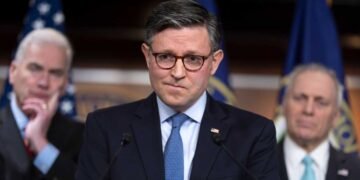
- Current proposals in the House, led by Speaker Mike Johnson, do not address extending the subsidies, focusing instead on conservative health reforms.
- Bipartisan efforts to push for an extension have faltered, as neither Democratic nor Republican-backed measures have gained enough support to pass.
Full Report
Legislative Stalemate
With only two days left before Congress’s scheduled break, the chance of extending ACA health insurance subsidies looks increasingly dim. The expiration of these critical financial aids, which have kept premiums manageable, could force many individuals to abandon their health coverage. The stark reality is that without the subsidies, many Americans will see their health care costs surge, creating an urgent need for Congressional action.
Both sides of the Capitol are negotiating potential measures, but progress has been sluggish. Instead of a collaborative approach, the Senate has seen only partisan proposals—one from Republicans and another from Democrats—fail to gain traction. Meanwhile, the House is set to vote on a health care package from Speaker Johnson that does not include provisions for extending the expiring subsidies, focusing instead on conservative reforms favored by the GOP.
Political Reactions
Top Democrats continue to advocate for a standalone extension of the subsidies, a tactic they see as crucial, regardless of potential reforms that could attract more Republican votes. Several Republicans, aware of the stakes for their constituents, have voiced their concern. Rep. Kevin Kiley (R-Calif.) criticized Congressional inaction, emphasizing that many Americans, particularly small business owners and gig workers, will bear the brunt of the cost increases.
On the other side, some Republicans—like Senate Minority Leader Chuck Schumer—have crossed partisan lines to support a longer-term extension of these subsidies, recognizing their necessity for many Americans. However, a campaign against the ACA remains among party hardliners, emphasizing a growing divide that complicates dialogue.
The Shift in Republican Sentiment
Formerly staunch critics of the ACA are now acknowledging its permanence in the healthcare landscape. Speaker Johnson articulated a new approach of "Reduce and Repair," marking a stark shift from past GOP strategies of total repeal. Yet, many Republicans, including Sen. Bill Cassidy (R-La.), contend that merely extending subsidies does not address the root issue of rising healthcare costs. Cassidy’s proposal suggests targeting high-deductible ACA plans with funding for health savings accounts, a move believed to directly benefit patients rather than insurance companies.
The Ticking Clock
With a new round of premium rates on the horizon, lawmakers face an urgent deadline. While some Republican moderates see extending the subsidies as an opening for bipartisan dialogue on health care reform, the breadth of opposition among party leadership presents a significant hurdle.
Context & Previous Events
The ACA, which passed without any Republican votes, has faced continuous scrutiny and political backlash since its inception. Past Republican efforts to repeal the law contributed to significant political movements, including the rise of the Tea Party. Over the years, public sentiment has shifted as many Americans began to recognize the ACA’s benefits, especially during critical health crises.
In the 2018 midterm elections, health care emerged as a decisive issue, leading to a Democratic resurgence. Many candidates campaigned on protecting the ACA and extending its provisions, establishing a new political climate focused on health care stability. With the impending deadline for subsidy extensions, the ability of Congress to respond effectively will likely be a pivotal point in the upcoming elections.






