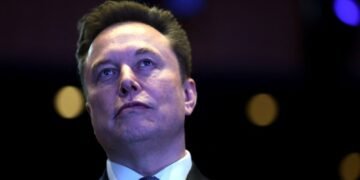























Growing Backlash Against AI Chatbot Grok on X
Elon Musk has sparked controversy with his remarks regarding the UK government’s response to his social media platform X’s artificial intelligence feature, Grok. This comes amid increasing scrutiny over the use of Grok in creating deepfake sexual images, prompting discussions about censorship and regulation.
Why It Matters
The developments around Grok highlight the complex interplay between technology, user safety, and government oversight. With countries like Indonesia taking a stand by blocking the chatbot, the implications for AI governance, freedom of expression, and digital human rights are significant. The situation raises critical questions about the responsibilities of tech companies in regulating harmful content on their platforms.
Key Developments
-
Government Concerns: UK Prime Minister Keir Starmer criticized Musk’s platform, stating that X needs to manage Grok effectively and sought options from media regulator Ofcom.
-
International Action: Indonesia became the first country to block Grok, citing concerns over non-consensual sexual content as a serious human rights violation.
-
Regulatory Oversight: Ofcom is currently conducting an expedited assessment of Grok’s activities, having reached out to X regarding concerning reports of misuse.
-
Changes to Grok: In response to backlash, X altered Grok’s settings, limiting image editing to paying subscribers, which UK officials labeled as "insulting."
- Musk’s Response: Defiant amid criticism, Musk accused the government of seeking excuses for censorship and highlighted concerns about consistency in managing AI-generated content.
Full Report
Government Response
The scrutiny of Grok intensified after critical reports emerged concerning its ability to generate child sexual abuse imagery. In reaction, UK officials expressed a strong commitment to ensuring compliance with local laws. Technology Secretary Liz Kendall stated she would support Ofcom in potentially blocking X if it continues to allow such content, calling the manipulation of images for sexual purposes "despicable and abhorrent."
International Reaction
Following the decision to block Grok, Indonesia’s communications minister articulated the country’s stance on non-consensual deepfakes, describing it as a violation of citizen dignity and human rights. The Indonesian government has stringent laws against sharing obscene online material, raising important questions about digital ethics and accountability.
X’s Adjustments
In response to mounting criticism, X made adjustments to Grok, with new limitations slated for unpaid users. This development was met with criticism from UK officials who viewed the changes as insufficient. Musk defended the platform, suggesting that focusing scrutiny on X detracted from broader issues surrounding other AI technologies.
Context & Previous Events
This backlash follows a series of rising concerns globally about AI-generated content and its potential misuse. In Europe and Asia, regulators have launched inquiries into the implications of AI tools like Grok, particularly regarding the creation of sexualized images and other inappropriate content. The Internet Watch Foundation previously reported incidents where criminals exploited Grok for illegal activities, further amplifying calls for stringent regulation. The UK media watchdog, Ofcom, is now empowered under the Online Safety Act to enforce compliance with significant fines and penalties for violations.