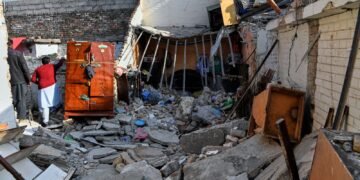























A devastating gas cylinder explosion in Islamabad claimed the lives of a bride, groom, and six others just hours after a wedding reception. The tragic incident, occurring while guests slept, also left seven individuals injured and damaged neighboring homes.
This incident underscores the dangers associated with liquified petroleum gas, which is crucial for many households in Pakistan, especially given the country’s low natural gas supply. The reliance on these cylinders raises questions about safety standards and regulatory oversight in residential areas.
Key Developments
- The explosion occurred early Sunday morning as guests were resting in a residential home.
- Authorities reported that part of the building collapsed due to the blast.
- Seven additional injuries were documented, with investigations currently underway.
- Prime Minister Shehbaz Sharif extended condolences to the families affected by this tragedy.
Full Report
Incident Overview
The gas cylinder explosion took place shortly after a wedding celebration in the capital, Islamabad, resulting in the deaths of eight people, including newlyweds. Eyewitness accounts indicate that the blast occurred while attendees slept, leading to part of the building collapsing and impacting nearby homes.
Authorities Response
Local police officials have initiated an investigation into the circumstances surrounding the blast. Sahibzada Yousaf, a government administrator, mentioned that authorities were informed of the explosion early in the day and are currently assessing the ongoing situation.
Government Reactions
Prime Minister Shehbaz Sharif conveyed his deepest sympathies to the victims’ families through a formal statement. The incident highlights the persistent safety issues related to gas cylinder usage in Pakistani households.
Context & Previous Events
Many households in Pakistan depend on liquified petroleum gas due to the limited availability of natural gas. Such cylinders have been implicated in various incidents caused by gas leaks, leading to fatal accidents in the past.