






















The Bail Project’s Controversial Decision Leads to Tragic Outcome
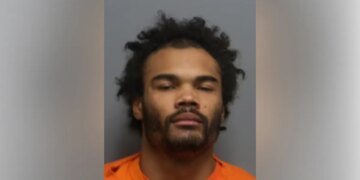
In a troubling case highlighting the complexities of bail reform, the Bail Project has come under scrutiny after facilitating the release of Donnie Allen, a repeat offender whose alleged actions just days later resulted in a murder charge. This incident raises questions about the efficacy and implications of bail assistance programs.
Why It Matters
The situation underscores the ongoing debate surrounding bail reform and public safety. With a focus on reducing incarceration rates, programs like the Bail Project aim to provide support for families navigating the justice system. However, the tragic turn of events in Allen’s case has ignited concerns about the potential consequences of such decisions, particularly when they conflict with family assessments of a loved one’s readiness for reintegration into society.
Key Developments
- Donnie Allen was released on bail paid by the Bail Project despite family objections.
- Just days after his release, Allen is accused of murdering 27-year-old Benjamin McComas.
- Family members warned the Bail Project that Allen would likely reoffend and needed professional help.
- Allen has a lengthy criminal history involving multiple charges over recent years.
- The Bail Project asserts that family opinions varied on Allen’s release.
Full Report
Incident Details
On December 14, Allen allegedly murdered Benjamin McComas at a Cleveland light rail station. Prosecutors have charged him with aggravated murder, robbery, felonious assault, and possessing weapons while disabled.
Background on Bail Decision
Initially, Allen’s bond was set at $15,000, but Judge Joy Kennedy reduced it to $5,000 shortly before the Bail Project intervened. They paid $500 to secure Allen’s release from the Cuyahoga County Jail on December 8, only to see him arrested again within days.
Family Concerns Ignored
Family members expressed their concerns to the Bail Project, insisting that Allen should remain incarcerated due to his track record of repeated offenses. In a voicemail to one family member, a representative for the organization noted a desire to discuss posting Allen’s bail. Family members maintained that Allen required rehabilitation rather than release and believed that had their warnings been heeded, McComas’s life could have been spared.
Official Response and Legal Position
In response to the incident, Allen’s defense attorney, James Jenkins, emphasized that the alleged murder was “far from” an intentional act. The Bail Project, meanwhile, acknowledged that opinions among family members about Allen’s release were divided but stated that their role is limited to providing bail assistance through a set review process and does not include overriding judicial decisions.
Context & Previous Events
This circumstance mirrors past incidents involving the Bail Project. A similar case occurred in Indianapolis in 2021 when a defendant released with the organization’s assistance later committed murder. This pattern has intensified calls for accountability and raised vital questions about the role of bail assistance in public safety.






