






















Faulty Rail Joint Suspected in Spain’s Deadliest Train Crash in Years
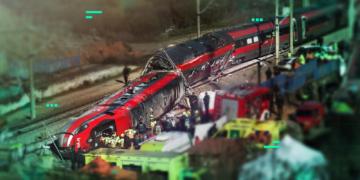
A catastrophic collision involving two high-speed trains in Spain has left at least 40 people dead and 159 more injured. Experts believe a faulty rail joint may be at the heart of the tragedy, marking one of the country’s deadliest railway incidents in recent years.
Why It Matters
This incident not only raises serious concerns about safety protocols in Spain’s rail system but also highlights ongoing issues related to maintenance and infrastructure. Given that both trains were operating at high speeds, questions surrounding the effectiveness of railway inspections and the overall safety of newly renovated tracks are now at the forefront of public discourse.
Key Developments
- Collision Details: The crash occurred on Sunday at approximately 7:45 PM local time when a train from Malaga to Madrid derailed and collided with another train traveling from Madrid to Huelva.
- Passenger Impact: The Iryo train was transporting around 300 passengers, while the Renfe train had nearly 200. Eyewitness accounts described scenes of chaos as passengers climbed out of broken windows.
- Official Statements: Spain’s transport minister referred to the incident as “truly strange,” emphasizing that it took place on recently renovated tracks.
- Investigative Findings: Initial investigations have pointed to a faulty rail joint, known as a fishplate, which may have had persistent wear contributing to the derailment.
- Safety Records: In 2024, Spain recorded a significant increase in train accidents, with a specific spike in derailments compared to other EU nations.
Full Report
Incident Overview
The tragedy unfolded just after the Iryo train, which departed from Malaga, derailed while traveling at a speed exceeding 120 mph. The back of the train veered onto adjacent tracks, resulting in a head-on collision with the Renfe train. Rescue efforts were initiated swiftly, with injured passengers transported to nearby medical facilities.
Investigative Insights
According to investigators, the discovery of wear on the rail joint may be crucial to understanding the cause of the crash. Ian Prosser, former chief inspector of railways, indicated that the most likely cause was a track issue, though he also noted that human error had been ruled out by Renfe’s leadership. The train involved had undergone its last inspection in January and was relatively new, having been built in 2022.
Official Reactions
Spain’s Prime Minister Pedro Sanchez expressed condolences to the victims’ families and emphasized the need for clarity regarding the crash. Local prosecutors are poised to initiate a criminal investigation as authorities await a comprehensive report from the police.
Context & Previous Events
The track involved in the crash was newly renovated in May, signaling a significant investment in rail infrastructure. However, prior concerns were raised by a Spanish train drivers’ union regarding the wear and tear on the tracks, and in October 2023, unions petitioned for speed reductions to prevent similar accidents. Historically, Spain’s railway safety agency has reported fluctuations in significant rail accidents, with the country currently witnessing higher derailment rates compared to the EU average.
In 2013, Spain experienced its worst railway disaster in recent history with a train derailment in Santiago de Compostela, which resulted in 79 fatalities.