























Defense Secretary Reviews Footage of Controversial Strikes Off Venezuela’s Coast
Defense Secretary Pete Hegseth announced that the Pentagon is currently assessing video footage from the September 2 military strikes against an alleged drug trafficking boat off the coast of Venezuela. This decision comes amid mounting scrutiny from lawmakers demanding transparency regarding the operations conducted without Congressional approval.
Why It Matters
The Pentagon’s evaluation of the video is significant as it may illuminate the controversial military strategies employed against drug trafficking in the Caribbean, raising ethical questions about the extent of military force used. With calls for increased transparency, the outcome may also impact public trust in governmental operations and decisions concerning military engagement.
Key Developments
- Hegseth stated the review includes assessing potential risks of releasing the footage that may jeopardize ongoing military operations.
- President Trump expressed willingness to make the video public, though he was unclear on its contents.
- The military carried out a second strike on crew members who had survived the initial attack, drawing criticism for excessive force.
- Democratic and Republican lawmakers have shown frustration regarding the lack of congressional oversight during these operations.
- Sen. John Curtis mentioned the importance of transparency in rebuilding trust among the American public.
Full Report
Ongoing Review of Footage
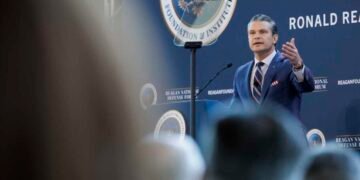
At a recent event at the Ronald Reagan Presidential Library, Hegseth highlighted the need for caution regarding the potential release of the September 2 strike video, emphasizing that safety for current military operations must take precedence. He cited ongoing operations as a reason to carefully consider the implications of releasing the video to the public.
Political Reactions
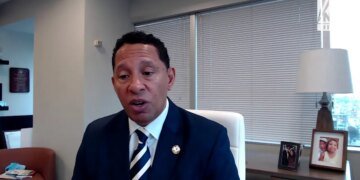
In the wake of the strikes, lawmakers from both sides of the aisle have expressed dissatisfaction with the military’s approach, particularly given that the actions were taken without explicit approval from Congress. Representative Jim Himes, the leading Democrat on the House Intelligence Committee, remarked that the public deserves insight into the operations, especially given their broader implications for military engagement and drug enforcement.
Sen. Curtis reinforced this viewpoint, advocating for transparency in governmental actions, which he believes would help reassure the public and foster a sense of trust in government decisions.
International Response
The Trump administration’s operations have not gone unnoticed internationally. Venezuela’s government has denounced the military actions and responded by increasing its military personnel, swearing in 5,600 new soldiers amidst the pressure from U.S. operations.
Hegseth defended the military’s campaign, reiterating that President Trump reserves the right to take decisive action to protect national interests, aiming to send a clear message to potential adversaries.
Context & Previous Events
Previous strikes in the Caribbean have prompted a conversation about the military’s role and authority in international drug enforcement. The controversy surrounding the September 2 action was exacerbated by the escalation of military actions that involved targeting individuals post-initial strike, raising ethical questions about the use of lethal force in such scenarios.