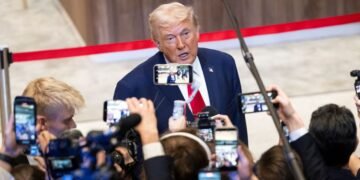























Davos 2023: Trump’s Dominance Disrupts Global Dialogue
Switzerland once again served as the backdrop for the World Economic Forum this week, where longtime neutrality clashed with Donald Trump’s polarizing presence. As the former president led the largest American delegation in history, his remarks set the tone for discussions that will have lasting implications for global politics and economics.
Why It Matters
Trump’s attendance at the forum not only monopolized media coverage but also shifted the dynamics of international diplomacy. His rhetoric raised significant concerns among European leaders, contributing to discussions about a cohesive response to both American and Chinese influence. With these developments, the meeting underscored the fragility of alliances and the urgency for middle powers to assert themselves.
Key Developments
- Trump’s Attendance: Led an extensive American delegation, overshadowing traditional discussions.
- European Leaders’ Reactions: Ursula von der Leyen called for "European independence," while Emmanuel Macron condemned Trump’s threats as bullying.
- Call for New Alliances: Canadian Prime Minister Mark Carney emphasized the need for a unified front against major powers, warning that "if we’re not at the table, we’re on the menu."
- US Representation: Commerce Secretary Howard Lutkin declared "globalism is dead," indicating a confrontational approach to diplomacy.
- UK Positioning: Despite facing internal skepticism, British officials highlighted changes aimed at attracting overseas investment.
Full Report
Trump’s Address
Former President Trump’s speech at Davos was characterized by a blend of bravado and misinformation. He made exaggerated claims regarding China’s renewable energy initiatives and reiterated his belief that the US had been crucial in shaping post-World War II Europe. While some assertions about rising energy costs held merit, his overall approach left many attendees feeling overshadowed by his confrontational style.
Following this aggressive rhetoric, Trump’s sudden retraction about pursuing Greenland demonstrated the unpredictability of his foreign policy stance. Business leaders expressed relief that tensions did not escalate further, with one British executive noting, “Cool cats win spats.”
Belligerent US Delegation
In the wake of Trump’s remarks, American officials continued to advocate for a hardline stance. Lutkin’s declaration that "globalism is dead" was met with mixed reactions, including discomfort from European Central Bank President Christine Lagarde, who reportedly walked out of an event in protest. Trade representatives stressed that reliance on access to US markets cannot be taken for granted, further complicating transatlantic relations.
Networking and Deal-Making
Despite the focus on Trump, Davos maintained its status as a prime networking venue. High-profile figures, including tech executives and celebrities, mingled amid serious discussions about global issues. However, the public dialogue often took a backseat to behind-the-scenes negotiations, highlighting the dual nature of the event.
UK’s Position at Davos
The UK delegation, led by Chancellor Rachel Reeves, tried to project optimism, particularly regarding visa reforms aimed at attracting talent. However, there were concerns about the UK’s clarity in communicating its strategic advantages while navigating the complexities post-Brexit. The necessity to "tell a better story" about the UK’s economic potential was highlighted by executives who remain cautious despite a positive reception from investors.
Context & Previous Events
Switzerland has historically served as a neutral ground for global diplomacy, but this year’s event marked a significant departure due to the overwhelming presence of one national figure. The World Economic Forum typically fosters a spirit of discussion, but Trump’s address shifted that focus extensively towards the implications of American policy on international relations and economic stability. Senior officials from various nations are now grappling with the broader ramifications of US unilateralism amidst rising tensions with China.






