






















Denmark’s Veterans Respond to U.S. Rhetoric on Alliance
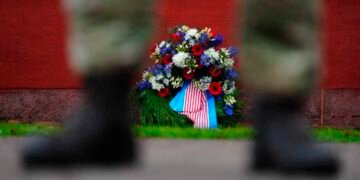
Denmark’s military veterans are expressing deep disappointment with the U.S. administration’s recent comments labeling the nation a poor ally. Their sentiments surfaced during a congressional delegation visit that included a symbolic wreath-laying ceremony at a memorial honoring Danish troops, underscoring the long-standing alliance between Denmark and the United States.
Why It Matters
This issue highlights the fragile nature of international alliances and the emotional toll of political rhetoric on military personnel and their families. As Denmark has historically fought alongside U.S. forces, perceived slights can reverberate deeply within the veteran community, raising concerns about future cooperation and mutual respect among NATO allies.
Key Developments
-
A U.S. congressional delegation laid a wreath at Kastellet in Copenhagen on January 17, reaffirming support for Denmark and Greenland.
-
Company Sergeant Major Henrik Bager, a veteran of the Afghanistan conflict, authored a poignant letter expressing his hurt over the U.S. claims against Denmark.
-
In a meeting with former U.S. Ambassador to Denmark Rufus Gifford, Bager articulated the emotional impact of the derogatory remarks from U.S. officials.
-
Danish citizens, including veterans’ families and political science students, voiced feelings of betrayal and disrespect following recent U.S. comments.
- Notable figures, including a retired Danish army officer, reported taking down honors showcasing their alliance with the U.S. due to the unsettling rhetoric from the Trump administration.
Full Report
Emotional Reactions from Veterans
On a recent cold day in Copenhagen, Bager shared his frustration with the escalating rhetoric coming from the U.S. administration, particularly concerning Denmark’s support of Greenland. His emotion culminated in a letter addressed to Gifford, where he articulated his sorrow and resentment for being labeled disloyal.
In his letter, Bager emphasized that the sacrifices made by Danish soldiers post-9/11—without hesitation, even with personal costs—should warrant respect and acknowledgment, not dismissal. He shared the pain he feels not only as a soldier but also as someone who has lost comrades in battle.
Diplomatic Responses
Gifford responded to Bager’s heartfelt message, expressing his own distress over the damage to the trust built through decades of cooperation among NATO allies. He underscored the importance of mutual respect and how quickly that trust can be eroded.
The Voice of the People
Many citizens and veterans in Denmark echoed Bager’s sentiments, feeling that the administration’s statements trivialized the ultimate sacrifices of their fallen heroes. Political science students and veterans’ families articulated a sense of betrayal and misrepresentation regarding Denmark’s contributions to military efforts.
Retired officer Søren Knudsen, who once proudly displayed a U.S. flag given to him by American allies, recounted feeling disheartened as he removed such tokens from view in light of recent comments. His wife, an American, pointed out that their shared commitment to mutual support is now overshadowed by this growing discord.
Context & Previous Events
Earlier developments including Vice President JD Vance’s comments labeling Denmark a "poor ally" have contributed to rising tensions. Former President Trump’s remarks about acquiring Greenland, disregarding Danish sovereignty, added to the discontent and feelings of disrespect among veterans and citizens alike. The emotional fallout from these statements highlights the precarious state of international relations, particularly within the NATO framework, where trust and collaboration are paramount.






